 (630) 892-4355
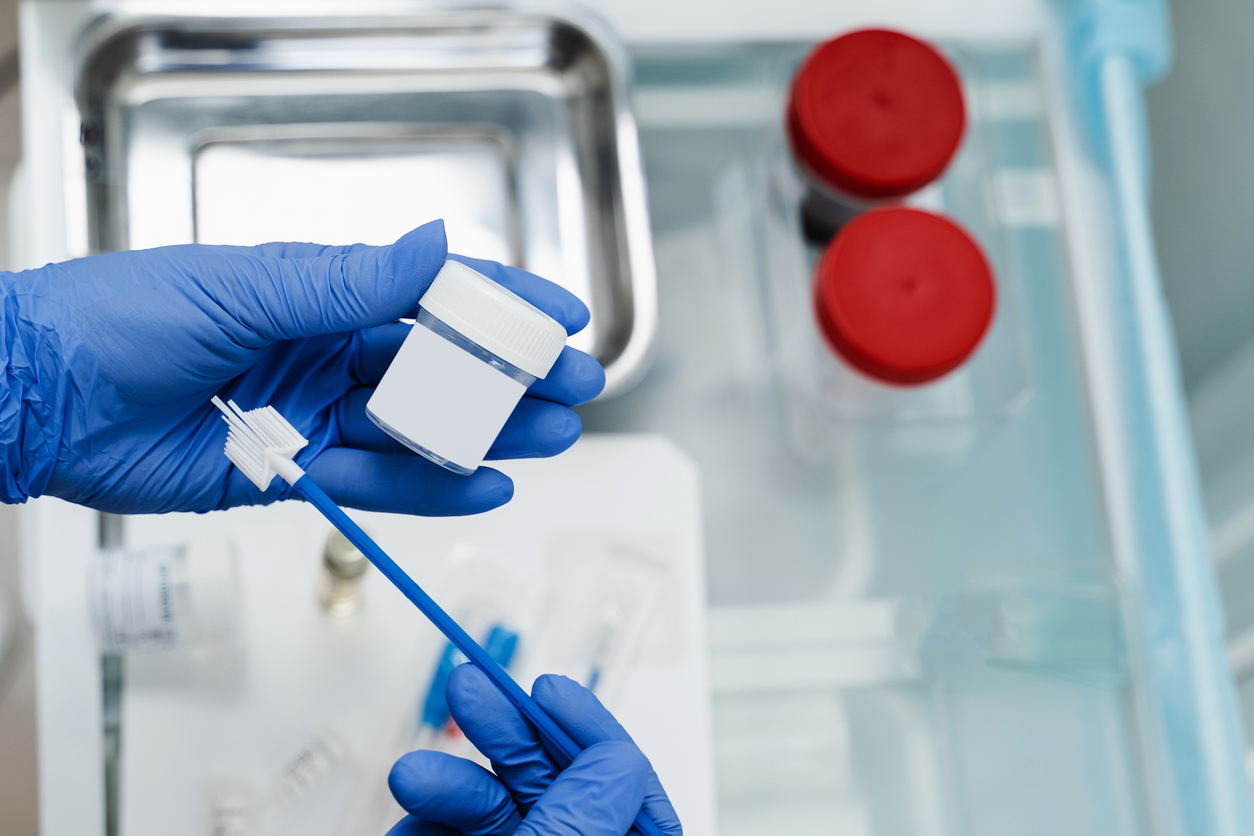
A Pap smear is a quick screening test that checks for abnormal cells on your cervix that could develop into cervical cancer if left untreated. It’s one of the most effective tools for catching problems early, when treatment works best.
This guide covers what a Pap test looks for, how often you need one, what happens during the exam, and answers to common questions patients often have.
What is a Pap Smear?
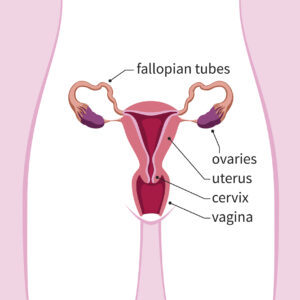
A Pap smear, also called a Pap test, is a routine screening that checks for cell changes on your cervix. The cervix is the narrow, lower part of your uterus. It connects your uterus to your vagina. During the test, a healthcare provider collects a small sample of cells from your cervix to examine under a microscope. At VNA Health Care, board-certified doctors and Nurse Practitioners (NPs) provide this service.
How Does a Pap Smear Test Work?
The test itself is straightforward. You lie back on an exam table with your feet in supports called stirrups. Your provider then inserts a speculum (smooth, duck-bill-shaped tool) that gently opens the vaginal walls so the cervix becomes visible. Once the cervix is in view, the provider uses a tiny brush or flat scraping tool called a spatula to collect cells from the surface.
The cell collection takes about 10 to 20 seconds. You might feel some pressure or a brief scraping sensation, but the discomfort is usually mild. After the sample is collected, the speculum comes out, and you’re done. Most people are surprised by how quickly it’s over.
Pap smears have been around since the 1940s, and they’ve dramatically reduced cervical cancer rates since.
What Does a Pap Smear Test For?
A Pap test can identify:
- Precancerous cells: Cells that have started to change but haven’t become cancer yet. Doctors sometimes call this cervical dysplasia or cervical intraepithelial neoplasia (CIN).
- Cancerous cells: Cells that have already developed into cervical cancer, though this is less common when people get regular screenings.
- HPV-related changes: Signs that human papillomavirus (HPV) has affected cervical cells. HPV is the virus responsible for nearly all cervical cancers.
- Inflammation or infection: General irritation or signs of certain infections, though a Pap test isn’t designed specifically for infection detection.
One thing worth knowing: an abnormal Pap result doesn’t automatically mean cancer. In fact, most abnormal results turn out to be minor cell changes that either go away on their own or require only monitoring. Your provider will explain exactly what your results mean and whether any follow-up is needed.
How Often Should You Get a Pap Test?
The timing of Pap tests usually depends on your age:
- Under 21: Pap tests typically aren’t recommended, even if you’re sexually active.
- 21 to 29: Every 3 years with a Pap test alone
- 30 to 65: Every 5 years with a Pap test plus HPV test (called co-testing), or every 3 years with a Pap test alone
- Over 65: Screening may stop if you’ve had consistently normal results for many years
Some situations call for more frequent testing. If you’ve had abnormal Pap results in the past, if you have a weakened immune system, or if you’re living with HIV, your provider may recommend screening more often. The same applies if you were exposed to a medication called DES (diethylstilbestrol) before birth. Your mother would have taken this during pregnancy.
How Long Does a Pap Test Take?
The actual Pap test portion of your appointment takes about 1 to 5 minutes. The cell collection itself (the part where the provider uses the brush or spatula) lasts only seconds.
Your full appointment will be longer. You’ll have time to change into a gown, talk with your provider about any concerns, and possibly discuss other aspects of your health.
Pap test are typically done as part of well-woman exam or an annual physical exam. These exams include a breast examination, STI screening, contraception consultation and additional screenings and checks.
How Long Do Pap Test Results Take?
Results typically arrive within 1 to 2 weeks, though the exact timing varies by lab and healthcare facility. Your provider’s office will contact you with results, usually by phone, through a patient portal, or by mail.
Normal Results
When results come back normal (sometimes called “negative”), it means no concerning cell changes were found. You can continue with your regular screening schedule.
Abnormal Results
When results come back abnormal (sometimes called “positive” or “atypical”), it means some cells looked different from what’s expected. This can feel alarming to hear, but try to remember that abnormal doesn’t equal cancer.
Next Steps
If your results are abnormal, your provider will discuss next steps. Sometimes that means repeating the Pap test in a few months. Other times, it means a procedure called a colposcopy, where the provider uses a magnifying instrument to look more closely at your cervix. Sometimes a small sample (biopsy) is taken. The specific follow-up depends on what type of cell changes were found and how significant they appear.
How to Prepare for a Pap Smear Test
A little preparation helps ensure your results are as accurate as possible. For 1 to 2 days before your appointment:
- Avoid vaginal intercourse: Semen can interfere with the cell sample
- Skip vaginal products: Don’t use douches, vaginal creams, suppositories, or spermicides
- Leave out tampons: Tampons can also affect the sample quality
On the day of your appointment, you can shower and go about your normal routine. Wear comfortable clothing that’s easy to remove from the waist down since you’ll change into a gown or be given a drape sheet for the exam.
Common Questions About Pap Tests
Do Pap smear tests hurt?
Most people describe a Pap test as uncomfortable rather than painful. You’ll likely feel pressure when the speculum opens, and the cell collection can cause a brief scraping or pinching sensation. However, sharp pain isn’t typical.
If you do experience pain, tell your provider right away. They can adjust their technique, use a smaller speculum, or pause to let you relax. Some people find that bearing down slightly (like you’re having a bowel movement) helps ease speculum insertion.
Is it normal to bleed after a Pap smear test?
Light spotting after a Pap test is common and usually nothing to worry about. The cervix contains many tiny blood vessels, and the gentle scraping involved in cell collection can cause minor bleeding.
Any spotting typically stops within a day or two. If bleeding is heavy (soaking through a pad or panty liner) or continues beyond a couple of days, contact your healthcare provider to make sure everything is okay.
Do Pap tests check for STIs?
A standard Pap test does not screen for most sexually transmitted infections (STIs). The test focuses specifically on cervical cell changes, not on detecting bacteria or viruses that cause STIs like chlamydia, gonorrhea, syphilis, or herpes.
However, Pap tests for people 30 and older often include HPV testing as part of the same sample collection. HPV is technically a sexually transmitted infection, though it’s handled differently from other STIs because of its direct link to cervical cancer.
If you want comprehensive STI testing, ask your provider to include it during your visit. Many clinics can collect samples for chlamydia, gonorrhea, and other infections at the same appointment as your Pap test. This is an efficient way to address multiple health concerns in one visit.
Can you have a Pap test while on your period?
Scheduling your Pap test for a time when you’re not menstruating is ideal. Menstrual blood can obscure cervical cells and make results harder to interpret, potentially leading to an “unsatisfactory” result that requires repeating the test.
That said, light spotting at the very beginning or end of your period usually doesn’t cause problems. If your period arrives unexpectedly right before your appointment, call your provider’s office. They can advise whether to keep the appointment or reschedule based on how heavy your flow is.
Can you get a Pap test while pregnant?
Yes, Pap tests are safe during pregnancy and won’t harm you or your baby. Many providers include a Pap test as part of early prenatal care if you’re due for screening based on your regular schedule.
The procedure is the same as when you’re not pregnant. Let your provider know you’re pregnant so they can position you comfortably and answer any questions you might have about the test during pregnancy.
Some people experience slightly more spotting after a Pap test during pregnancy because increased blood flow to the cervix makes the tissue more sensitive. This is normal and not a cause for concern.
Do you need a Pap smear test after a hysterectomy?
The answer depends on what type of hysterectomy you had and why you had it.
- If your surgery removed your cervix (called a total hysterectomy) and you have no history of cervical cancer or high-grade precancerous cells, you likely don’t need Pap tests anymore. Without a cervix, there’s no tissue to screen.
- If your surgery left your cervix in place (called a partial, subtotal, or supracervical hysterectomy), you still need regular Pap tests. The cervix remains and can still develop abnormal cells.
- If you had a hysterectomy because of cervical cancer or serious precancerous changes, your provider may recommend continued screening of the vaginal tissue. This is sometimes called a vaginal cuff Pap test.
Your provider can review your surgical records and medical history to determine what screening makes sense for you going forward.
Schedule Your Pap Test at VNA Health Care
At VNA Health Care, we offer Pap tests and comprehensive women’s health services at multiple health center locations across the western Chicago suburbs. Our providers take time to answer your questions and help you feel comfortable throughout the exam.
We welcome everyone, regardless of insurance status or ability to pay. Same-day appointments and extended hours are available at many locations, making it easier to fit preventive care into your life.
Schedule your Pap test appointment online or call us to find a location near you.