Are You Avoiding a Colonoscopy? Learn Why You Shouldn’t.

Colorectal cancer is the third most common cause of cancer death in the US. Yet many people don’t follow the American Cancer Society’s recommendations for testing. And the testing rates tend to be even lower for people in certain racial/ethnic minority groups, with less education, and/or with lower levels of income.

Since many colorectal cancer deaths could be prevented through proper screening, why don’t more people take this critical step?

It’s time to think about what’s keeping you from getting a colonoscopy and why you should make it a priority.


Colorectal Cancer Is Often Undiagnosed

Do you avoid visiting your doctor unless you’re sick or you’re having new health symptoms? That’s one of the main reasons colorectal cancer is left undetected. This form of cancer often has no symptoms in the early stages. So unless you’re visiting your doctor for regular checkups, you might not realize you should be tested for colorectal cancer.

Language barriers also keep some people from getting this potentially life-saving test. That’s why VNA Health Care offers educational materials in English and Spanish – such as this video on colorectal cancer prevention a large percentage of bilingual employees, and provides interpreter services in multiple languages during patient visits. You can also get colonoscopy resources in Spanish from places such as the American Gastroenterological Association. It’s easy to get the details you need to make a smart decision about screening for colorectal cancer!

Some people are too embarrassed to talk about it. No one really likes talking about stool samples or colorectal screening. But your health is a lot more important than a little embarrassment.

Getting Screened Is Easier Than Ever!

If the idea of a colorectal cancer screening makes you worried, here’s good news: The tests are now easier, faster, and take less effort than they used to.

Based on your risk factors and health history, your doctor will decide if you can start by taking a stool sample at home. It’s easy, private, and convenient. If the at-home test (such as the FIT test) is negative, you won’t need to test again for a few years (as long as you don’t develop symptoms).

If the at-home test is positive, or if you have colorectal cancer risk factors or symptoms, you’ll likely need a colonoscopy. But if the colonoscopy results are negative, you probably won’t need another one for 10 years.

Don’t Miss a Colon Cancer Diagnosis   

Still worried about colorectal cancer testing? Don’t let it get in the way of your health.

If you’re between the ages of 45 and 75 and you’ve never had a colorectal cancer screening, you’ve missed a colonoscopy appointment, or you’re having new gastrointestinal symptoms your doctor doesn’t know about, it’s time to call VNA Health Care.

The VNA Health Care team can help you get screened for colon cancer—easily, quickly, safely, and privately. Your healthcare provider will determine the best test option for you, and our on-site lab will analyze your stool sample quickly. If you need a colonoscopy, we’ll coordinate your care with a gastroenterologist and ensure you know what to expect.

Make an appointment with VNA to discuss your colorectal cancer screening options: online here or by calling (630) 892-4355.

Stopping the Silent Killer: 5 Ways to Manage Hypertension

Many health problems are easy to spot. If you have severe headaches, stomach pain, or an injury, for example, you know it’s time to visit the doctor. But high blood pressure (also called hypertension) is different: It shows few or no symptoms, even though it’s quietly doing serious damage to your body. That’s why it’s called “the silent killer.”

Uncontrolled hypertension puts you at risk of heart failure, a heart attack or stroke, kidney damage, and many other health issues. These conditions can cause you to become disabled and reduce the quality of your life. In the worst case, they can be fatal.

How can you keep high blood pressure from causing dangerous health problems? These five hypertension management tips can help.

Tip #1: Know Your Risk for High Blood Pressure

Your age, gender, race, and family history all affect your high blood pressure risk.

Older people are more likely to have it, simply because our blood vessels stiffen as we age. Men are at higher risk at a younger age, while the risk for women rises once they reach 65. Black people are more likely to develop high blood pressure than people of other racial backgrounds; they also tend to have more serious cases and find some medications don’t work well for them. The risk is also high in the Hispanic community, with the CDC (Centers for Disease Control) noting that 44% of Hispanic adults have hypertension. And if high blood pressure runs in your family, you’re likely to develop it.

Tip #2: Get a Treatment Plan for Managing High Blood Pressure

If you’re at risk of developing high blood pressure, it’s important to have it checked regularly. If your doctor diagnoses you with hypertension, they’ll develop a treatment plan to get your condition under control. Everyone’s plan is a little different, but it usually involves making lifestyle changes (described below), monitoring blood pressure at home, and taking the right medication.

Your doctor will recommend regular check-ups to monitor your condition. They might also suggest an app on your phone or other easy ways to remember to check your blood pressure, take your medicine, and get your prescription filled.

Tip #3: Make Lifestyle Changes for Hypertension

One of the best ways to bring high blood pressure down and reduce your risk of health problems is to change your lifestyle. The following lifestyle changes for hypertension can help manage your blood pressure.

  • Eat a heart-healthy diet. A diet that’s high in saturated fat, trans fat, sugar, and sodium can make high blood pressure more likely. Many doctors recommend the DASH (Dietary Approaches to Stop Hypertension) diet to prevent or control hypertension.
  • Avoid alcohol. Limiting how much alcohol you drink, or eliminating it entirely, can help control your blood pressure. Avoiding alcohol also can reduce the odds you’ll have a stroke or develop heart failure or certain types of cancer.
  • Don’t smoke. According to the American Heart Association, smoking increases the risk that plaque will build up in your arteries (which increases your risk of a heart attack or stroke), and high blood pressure speeds up plaque buildup.
  • Manage your weight. Being overweight makes it harder to control hypertension and more likely you’ll develop other health problems, like diabetes and heart disease. Studies show that losing just 3 to 5 percent of your body weight can help reduce blood pressure.
  • Exercise regularly. Physical activity is good for your health overall, but it’s especially helpful for managing blood pressure. Ask your doctor for guidance on what types of exercise you should do and how often.
  • Get proper sleep. Did you know that if you don’t get enough sleep, it can raise your blood pressure? For better overall health, doctors recommend 7 to 9 hours of quality sleep every night.
  • Manage stress. If you have a lot of stress in your life, you’re more likely to do things that raise your blood pressure—like drinking, smoking, and eating unhealthy foods. Exercise, deep breathing, meditation, and spending time with loved ones can help reduce stress.

Tip #4: Take Your Medication as Directed for Hypertension Management

If these lifestyle changes don’t bring your blood pressure down enough, your doctor might prescribe a hypertension medication. There are several types of drugs for managing high blood pressure, and the right one for you will depend on your overall health and your blood pressure level.

Since these drugs all work differently, your doctor might need to adjust the dose or switch you to a different medication to find the right solution. If you have questions or concerns about a hypertension drug’s side effects, talk with your doctor or pharmacist.

Tip #5: Get Regular Check-Ups to Manage High Blood Pressure

Once you’re diagnosed with hypertension, it’s important to see your doctor regularly for follow-up care. Besides taking your blood pressure at every appointment, your healthcare provider might ask you to keep a log of blood pressure readings at home and bring it to each visit. Be sure to follow their directions and show up for your appointments.

VNA Health Care is Here to Help!

The VNA Health Care team can help you manage your high blood pressure and avoid the dangerous consequences of uncontrolled hypertension. We have doctors, nurse practitioners clinical pharmacists, nutritionists, dietitians, counselors, and other professionals on staff, all ready to help you get your blood pressure under control. We even offer wellness classes that teach healthy cooking and eating habits.

Make an appointment with VNA to start or adjust your hypertension management plan: online here or by calling (630) 892-4355.

Elevated BMI Follow-Up: Getting your BMI Healthy Again

At your last visit to VNA Health Care, your provider may have identified that your BMI, or your child’s BMI, was elevated. Learn more about BMI, the risks, and the follow-up steps you can take to get your BMI to a healthy level again.

What is BMI?

Body Mass Index (BMI) is an estimate of body fat and a good gauge of your risk for diseases that can occur with more body fat. BMI is calculated from your height and weight. A BMI score of 25.0-29.9 is considered Overweight and 30.0 and above is considered Obese.

What are the risks of elevated BMI?

The higher your BMI, the higher your risk for certain diseases such as heart disease, high blood pressure, type 2 diabetes, gallstones, breathing problems, and certain cancers. In addition to BMI, your provider will also take into account your waist circumference and other risk factors in determining your overall health risk and recommended course of action.

What can I do to improve BMI for myself or my child?

Work with your VNA care team to get yourself or your child to a healthy weight (and maintain it) through a healthy level of physical activity, healthy eating habits, and other recommended treatments and preventive measures.

Control weight

This may mean losing weight or preventing further weight gain. The good news is even a small weight loss (between 5 and 10 percent of your current weight) can help lower your risk of developing diseases associated with obesity.

Changing the way you approach weight loss can help you be more successful at weight management. Most people who are trying to lose weight focus on just the goal of weight loss. However, setting the right goals and focusing on lifestyle changes such as following a healthy eating plan, watching portion sizes, being physically active, and reducing sedentary time are much more effective.

Be physically active

Being physically active and eating fewer calories can help you lose weight and keep the weight off over time.

While people vary quite a bit in the amount of physical activity they need for weight control, many can maintain their weight by doing 150 to 300 minutes (2 ½ to 5 hours) a week of moderate-intensity activity such as brisk walking.

People who want to lose a large amount of weight (more than 5 percent of their body weight)—and people who want to keep off the weight that they’ve lost—may need to be physically active for more than 300 minutes of moderate-intensity activity each week.

Eat right

To lose weight, it’s important to make lifestyle changes with a focus on reducing calories from food and beverages, a healthy eating plan, and portion control. Over time, these changes will become part of your everyday routine, which is preferred to the temporary, and potentially unsafe, results from an overly restrictive crash or fad “diet”.

Get exercise and nutrition tips by downloading Healthy Lifestyle care instructions:

Sign up for Step By Step Wellness Classes at VNA.

Classes include how to cook simply, eat healthfully, be more active, cope with stress, and more. Learn from VNA experts and other patients who share your concerns. View our calendar for class locations, dates, times, and how to register – https://vnahealth.com//calendar/ 

Get follow-up care, as this is a key part of your treatment and safety. 

Be sure to make and go to all appointments, and contact your VNA provider if you are having problems. It’s also a good idea to know your test results and keep a list of the medicines you take. In addition to the steps above, your care plan may include behavior therapy, medications, or other treatments and preventive measures.

Make an appointment

If you would like to talk further with your VNA provider about the BMI follow-up plan for yourself or your child – https://vnahealth.com//services/make-an-appointment/.

VNA Women’s Health Care: Know The Facts About Breast Cancer And Understand Your Risk

Breast cancer is one of the most common types of cancer affecting women. It is a life-threatening disease that can strike you at any age. However, breast cancer can be successfully treated in many cases if detected early.

Certain factors can increase your risk of getting breast cancer. Knowing which factors you are most at risk for in advance will help you decide if you need to get tested and screened for breast cancer more often. If you live in the Chicago suburbs, you can visit one of the VNA Health Care facilities. The medical team at VNA Health Care is here to help you check for breast cancer through examinations and screenings. Mammograms can be scheduled at VNA’s Aurora Highland Avenue location. If there is an issue, we can go over your treatment options and support you through the next steps.

In this short guide, we will explain some important things you should know about breast cancer. Learning about the risk factors and screening options can increase your chances of identifying this disease early and receiving timely treatment.

What Is Breast Cancer?

Cancer is a disease that occurs when something goes wrong inside your body’s cells and they start multiplying out of control. This leads to tumors and cancers in different parts of the body. If cancer cells start multiplying inside your breasts and forming tumors, you have breast cancer.

Cancer can originate in one or both of your breasts and can start in any part of the breast. You have a better chance of beating breast cancer if you detect it early. Without detection, the malignant cells can spread to other parts of the body, making it more complicated to treat.

Breast Cancer by the Numbers

Breast cancer is the second most common cancer found in women in the United States. (The most common cancer is skin cancer.) One in three new cancers detected each year in women is in the breast (30%).

Around 300,000 new cases of breast cancer are reported each year. As of January 2022, 3.8 million women living in the US have had cancer in their breasts at some point. Around 42,000 women die each year due to breast cancer. Men can also get this type of cancer, but it is fairly rare – around 2,400 cases are reported each year, resulting in about 500 deaths annually.

What Are Breast Cancer Risk Factors?

Infectious diseases like flu or measles have a single cause – germs like bacteria and viruses. But breast cancer is different – there is no single cause for it. Breast cancer develops when some of the cells in your breast tissue begin to malfunction or self-destruct in certain specific ways.

This damage can occur at any time, due to many things like radiation exposure, hormonal problems, genes you get from your parents, and more. All these different factors are together called breast cancer risk factors. If you have one or more risk factors, doctors may suggest you get tested more regularly.

Breast Cancer Risk Factors That Cannot Be Controlled

Age

As you get older, your risk of getting cancer increases. This risk will be higher once you reach the age of 45. Most women are asked to get annual checkups to look for signs of cancer once they are at this age.

Genes

Women born with certain genes – like BRCA1 and BRCA2 – are at higher risk of developing cancer in their breasts and ovaries. You can get blood tests to find out if you have these genes.

Dense Breasts

Women with more fatty tissue in their breasts have a lower risk of cancer. When there is more fibrous/glandular tissue in the breast and less fatty tissue, this is a condition called dense breasts. Women with dense breasts have a higher risk of getting cancer. The breasts can also get denser as you age – about 50% of women above 40 have dense breasts.

Family History

If your close female relative – mother, sister, or daughter – has had cancer, you have a higher risk of getting the same disease. The risk is also higher if any relatives on your mother’s or father’s side have had cancer in the past.

Hormones

Women get hormones when they start their periods. If you get your first period before the age of 12 or stop getting them late (after 55), your body will be exposed to hormones for a longer time than other women. This raises your risk of developing cancer.

Radiation

Female patients who had radiation treatment for other cancers (like lymphoma) have a higher risk of getting cancer in the breast tissue later in life. If your radiation treatment was before 30, the risk is increased.

Risk Factors That Can Be Controlled

The following are some lifestyle factors that can affect your risk of getting breast cancer:

  •  Lack of physical exercise
  • Being overweight or obese, especially after menopause
  • Taking any kind of hormone treatments
  • Taking birth control pills
  • Drinking alcohol or smoking cigarettes
  • Having your first child after 30 (or never having kids)

Screening for Breast Cancer

VNA Women’s Health Care

You can use specific tests and breast exams to detect the early signs of breast cancer. This is called “screening.” There are two main methods:

  •  Breast Self-Exam – A simple checkup at home using your hands to feel for any unusual lumps in your breasts. If you find any lumps during these breast exams, you should schedule an appointment immediately to go see your VNA medical provider.
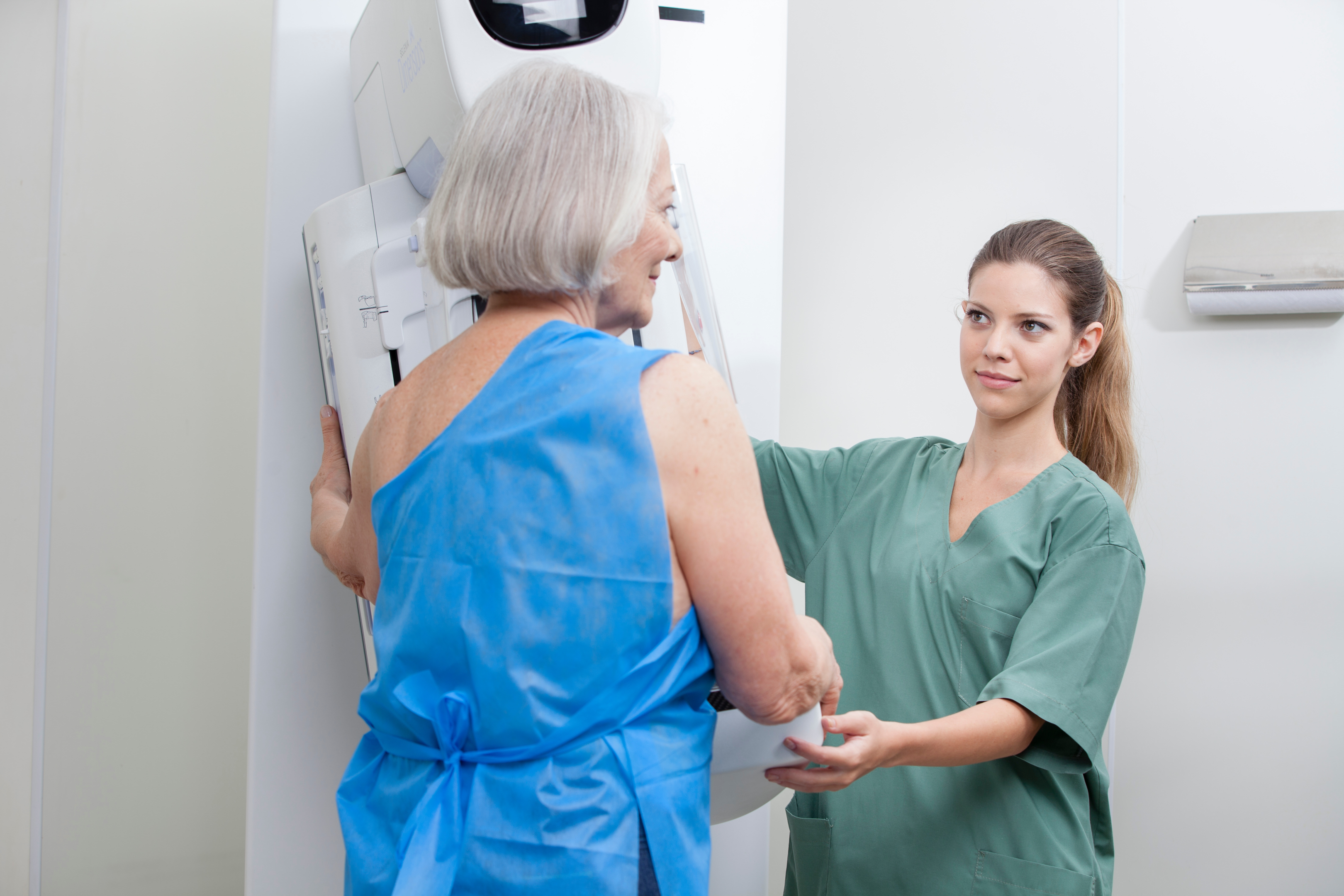
  •  Mammogram – An x-ray of the chest area used to look for any signs of lumps inside the breasts. It can help catch breast cancer very early.

Women’s healthcare specialists and gynecologic oncology doctors recommend the following guidelines for screening for breast cancer in women:

  • Ages 20 to 40 – If you don’t have any high-risk factors, do a self-exam at home, at least once a month, 3–5 days after the start of your periods.
  • Age 40 to 45 – You can ask your doctor to do a mammogram during your annual checkup. This is optional.
  • Age 45 to  54 – Mammograms are recommended once per year.
  • Age 55 and above – Mammograms are recommended at least once every two years.

Are Mammograms Free?

Without insurance, a mammogram can cost up to $300 or more. But since they can save lives by detecting breast cancer early, mammograms are typically covered by all health plans under the Affordable Care Act.

Even if you don’t have any insurance coverage, it may be possible for you to get free mammograms through the Illinois Breast and Cervical Cancer Program (IBCCP).

If the following is true in your case, you may be eligible:

  •  You live in Illinois
  • You don’t have insurance
  • Your age is between 35 and 64

Visit VNA Women’s Health Center Today

For all women’s care needs, you can rely on VNA Health Care. We provide comprehensive care services in primary medicine, women’s health care, gynecology, pregnancy care, and more.

Our OB-GYNs, Women’s Health Nurse Practitioners, and family practice providers are committed to providing compassionate care for women. We have the resources to perform a pelvic exam, pap test, mammograms, and other forms of health testing. If you are a woman in the age group of 40 to 70, or you think that you are at high risk of developing breast or pelvic cancer, visit any one of our clinics today.

VNA Health Care offers a full range of services at locations throughout Illinois, including Aurora, Bensenville, Bolingbrook, Carol Stream, Elgin, Joliet, Romeoville and Wheaton so you have convenient access to the care you deserve. If you are homebound, VNA can also provide care where you live. Make an appointment by calling (630) 892-4355 or contact us online.

VNA Health Care Press Conference on Emergent Health Issues

VNA Health Care hosted a press conference on Friday, October 14th to emphasize the importance of several pressing healthcare issues. VNA President & CEO Linnea Windel was joined by US Representative Bill Foster, 11th District; State Representative Stephanie Kifowit, 84th District; and Michael Isaacson, Executive Director of the Kane County Health Department in discussing the upcoming Open Enrollment Period, the new Illinois Medicaid-like benefit program for Adult and Senior Immigrants, and the continued importance of vaccination.

Current VNA physicians, nurse practitioners, nurses, social workers, pharmacists, nutritionists and other health care staff provide care in our 16 clinics and over 75,000 people across suburban Chicago call VNA their medical home. Insurance status or ability to pay is no barrier to care at VNA – if you need health care, VNA is here for you. That includes providing vaccinations to keep our communities safe and healthy! We are at the start of the autumn season which is the start of flu season and, the last 2 years, autumn and winter COVID surges. Last year, 100k people in the U.S. were hospitalized with the flu. Flu vaccines are widely available and now is the perfect time to get one. Currently, we are experiencing approximately 400 COVID deaths per day in United States. VNA is currently administering the  Bivalent COVID-19 booster shots to help protect against the original virus and more recent Omicron variants – BA4 and BA5. Children age 5 and up and adults are eligible for the new bivalent booster if they have completed the primary series. Wait 2 months after last dose to get the bivalent booster.

Kane County Health Department Executive Director, Michael Isaacson, continued to drive the importance of vaccination during the upcoming holiday season.

“Where our families are going to be getting together for the next couple of months. That’s wonderful, but that also creates an opportunity for us to not only share good cheer but to share viruses and things like that. We have about 70 cases of COVID that we are identifying a day in Kane County and we are losing lives and in many cases that is preventable death where if we had everyone fully vaccinated and fully boosted that wouldn’t happen. Many of those deaths could have been avoided. The good news is that we live in a time and in a history where science has allowed us to develop highly effective vaccines and we live in a place in the world where those vaccines are readily available thanks to places like VNA. Regardless of residency, regardless of ability to pay, we have the ability to protect people, ” said Isaacson.

Before introducing VNA Benefits Specialist, Charline Martinez, Linnea Windel, President and CEO of VNA, spoke on the work done through Benefits Assistance, “VNA has a team of navigators called Benefits Specialists who help people with questions about enrolling in Medicaid or Medicare. They provide assistance to people seeking health insurance through the Marketplace, and most recently, VNA Benefits Specialists help people who are new to the country and meet certain age and income requirements to enroll in a new Medicaid-like benefit that was established here in Illinois, the Health Benefits Coverage for Immigrants program.” Charline spoke of the many people she has helped in her time as a navigator who were unaware of the benefits that were available to them and the life-changing effect of having access to quality healthcare.

In welcoming Congressman Foster, Linnea mentioned his dedication to implementing legislation to improve access to healthcare  “Congressman Foster, it’s always an honor to work with you and your team. We are grateful for your partnership and your continued efforts in Washington DC to help Community Health Centers like VNA Health Care where we strive to decrease health disparities and improve health equity.” Representative Foster stressed how the newly implemented Inflation Reduction Act will allow Medicare to negotiate prescription drug prices and cap out-of-pocket costs, and lower costs for life-saving medications. The bill will also expand the Affordable Care Act subsidies, which will protect nearly 300,000 people in Illinois from loss of health coverage or premium hikes. To find out if you qualify for coverage under the Affordable Care Act, visit https://www.healthcare.gov/.

State Representative Stephanie Kifowit discussed new legislation which expanded the Health Benefits for Immigrants program to include adults age 42 and over as well as the senior population who were previously eligible.  Those who meet income guidelines now will qualify for this Medicaid-like healthcare coverage which is fully funded by the State of Illinois. The program covers undocumented immigrants and legal permanent residents of the US that have been here less than 5 years. The annual household income level is similar to those covered under the Affordable Care Act. You can visit www2.illinois.gov and go to the Health Benefits for Immigrants HFS website. Representative Kifowit emphasized the importance of providing healthcare to all Illinois residents.

The event ended with a nutrition demonstration by VNA Health Care Director of Community Wellness Services, Alyssa Boomgarden. Alyssa gave a recipe tutorial in the VNA Wellness Kitchen on making Overnight Oats – a protein-rich dairy-free breakfast option. VNA has multiple locations which have a Wellness Kitchen. Step by Step nutrition classes are available in English and Spanish, in person and online. Visit vnahealth.com/calendar to see when the next class is available.

To schedule an appointment at VNA Health Care, call (630) 892-4355 or walk in to any one of VNA’s suburban Chicago locations. Visit www.vnahealth.com/locations for locations and hours.


VNA Health Care Provides Care to Migrants in Burr Ridge

Caring for a Growing Community

At 2 pm on Friday, September 9th, VNA received a call from the DuPage County Health Department and DuPage Health Coalition asking for VNA’s help in providing care for the recent Venezuelan immigrants bussed to Chicago from Texas. And with that request, the VNA van and staff were off to Bur Ridge the following morning. Many VNA staff were humbled by the experience of meeting the Venezuelans and the stories that they told. They spoke of walking through jungles and encountering many insects, wading through neck-deep rivers with their children on their backs, and taking a year-long pause during their travels due to Covid. Amazingly the parents smiled as they told their stories, explaining that they had to remain strong for their children and the dream of having a better life in the U.S.

Surprising, VNA staff found most of the people were up to date on their preventative healthcare needs, and with the exception of treating wounds, bites, and respiratory issues, as a result of travels, most were in pretty good health. Additional appointments are being arranged for a few that are in need of preventive screenings or have more extensive medical needs. Overall, they are very similar to our current VNA patients, many of whom are also immigrants, in their appreciation of our resources and education. As the Venezuelans adapt to their new surroundings, our staff will continue to assist in providing them with medical care.

The Chicago Tribune recently published an article with further details.

Chicago Tribune Article


How Women Can Age Gracefully: Foods For Healthy Nails, Hair, And Skin

Several factors can play a role in healthy and graceful aging. Some are not in your control, such as genetics. However, a healthy diet and exercise, among other factors, are in your control and can help. Women, in particular, can significantly benefit from eating the right diet. A consistently balanced diet can contribute to you retaining a healthy appearance and thicker hair density, both signs of aging well. Aside from looks, you will also be able to maintain your quality of life as you age and remain independent as long as possible.

Keep reading to learn more about the right kind of food for healthy nails, hair, and skin.

Research Proving Diet Is Linked to Your Skin, Health, and Age

Women can prevent several problems from developing by making smart food choices. Eating well is not about regulating weight. A balanced diet helps make nails and hair grow stronger and give your skin a supple glow – it can also improve your brain function and lower the risk of heart disease. Older adults who aged gracefully were conscious about what they ate to make sure they were getting the vitamins and nutrients they needed.

Healthy dietary recommendations are provided in the 2020–2025 Dietary Guidelines for Americans. The diet suggests including lots of whole grains, fresh fruits and vegetables, lean proteins, and healthy fats.

The research mostly shows that the Mediterranean style of eating instead of the traditional American diet allows for better skin, hair, and nail health, especially in women. The Mediterranean diet involves more whole grains, fresh produce, and healthy fats. It has more fish and less dairy as compared to the American diet.

Essential Food Groups for Healthy Hair, Skin, and Nails

There is no magic food group that will make you look young forever. Keratin is the primary building block in your nails and hair. The skin begins looking tired when collagen breaks down is no longer produced at a high rate in old age. The right food groups in a balanced diet can increase the production of collagen, keratin, and elastin for providing silky strong hair, fast-growing nails, and soft, youthful-looking skin.

1.  Proteins

Hair, skin, and nails are mostly proteins in the form of keratin, elastin, and collagen. You need enough protein in your diet to ward off skin wrinkles while attaining elasticity and strength. Most women in the US don’t get enough lean proteins in their diet. You don’t want to be like Miranda Priestly’s assistant in the famous movie The Devil Wears Prada!

She is trying to lose weight and proudly describes her diet as starving herself until she felt like fainting. Chances are high that she was low on protein, which would eventually take a toll on her hair, skin, and nails as well – things that most women in the fashion industry want looking perfect.

While protein is important because of its numerous health benefits, you need to make sure you get it from lean sources. Having a steak each night will only add to your weight troubles and heart issues. Consider getting protein in the form of seafood, eggs, legumes, lean meats, and low-fat dairy products.

2.  Essential Fat

In an attempt at losing weight, the majority of women skimp on fats, which can pose health risks. We don’t mean the greasy pie or pastry type. Your body needs healthy fats in the form of omega-6 and omega-3. You are probably not getting enough of these if you have itchy or dry scalp. They are called essential fats since your body is incapable of producing them. You need to eat them.

Prostaglandins are compounds that work to keep inflammation down and immunity up. They are created when the body has enough supply of both omega-3 and omega-6. In particular, omega-6 is essential for your skin health. However, you need to balance the ratio by eating foods such as avocado, walnuts, tofu, sardines, tuna, and salmon once a week. Include flaxseeds into your diet as well.

Mega dosing on fish oil capsules is not just expensive, but not recommended. Instead, incorporate fresh vegetables, fish, and seeds into your diet. Don’t just restrict yourself to fish fillets. Experiment with sushi, ceviche, fish curry, and seafood chowders.

3.  Iron

Another important nutrient that a large number of women in the country lack is iron. You are probably running low on iron if you feel tired and fatigued all the time. Hair, skin, and nails are the first to suffer if your diet is not rich in iron. Your skin may become itchy and pale. There may be cracking on the corners of your mouth. Nails can develop vertical stripes and become brittle because of an iron deficiency. Your hair will start shedding more and will become noticeably dull, dry, and brittle.

You can get iron from dark, leafy greens, meat, dried fruit and from whole grains and legumes as well. You can enhance absorption by adding vitamin C from capsicum and fruits to your diet.

4. Vitamin C

Vitamin C is the structural cement of the body and essential for making collagen. Collagen is the fibrous tissue under the skin that plumps it up to lend shape and support. Your skin looks tired as it loses collagen with age. Harmful oxidative reactions by sun exposure, cigarette smoke, and pollution can deplete collagen and elastin levels in the body.

Healthy doses of vitamin C and beta-carotene can protect the skin and improve resilience. Unfortunately, supplements can create harmful oxidative activity. You can prevent this by eating lots of antioxidant-rich vegetables and fruits. We recommend eating plenty of bell peppers, cauliflower, lemons, oranges, grapefruit, strawberries and kiwi fruit. These are an excellent source of nutrition for supple and plump skin.

5. Vitamin A and Beta-Carotene

All orange and yellow vegetables and fruits are rich in beta-carotene and vitamin A. Beta-carotene converts to vitamin A in the body, which is essential for healthy hair, skin, and nails. Healthy eating means including as many colored fruits and vegetables as you can. You can also eat oil-rich fish, egg yolk, and liver as well.

Healthy doses of beta-carotene improve the skin and protects it from sunburn. This is especially true if you eat it with lycopene, which is found in watermelon and tomatoes. You can get a real vitamin A boost by trying scrambled egg with spinach or salmon.

6. Fluids and Flavonoids

Both flavonoids and carotenoids are essential for protecting the skin from UV damage. Your body is 70% fluid and you need hydration to maintain those levels. Drink plenty of water for hydrated hair, skin, and nails. Fluids aid blood circulation, which help nutrients travel to where they are needed in the body.

You can give yourself a nice flavonoid dose with a few cups of white, green, or black tea. A cup of hot cocoa, glass of red wine, or a few squares of dark chocolate can help as well. Nobody said aging gracefully couldn’t be tasty! However, you need to remember that moderation is key.

Superfoods for Helping Women Age Gracefully

Shiny hair, glowing skin, and smooth nails are signs of beauty and health. These outward features indicate what’s happening inside your body. Moreover, beauty that occurs from the inside out remains with us for a long time, and it involves both physical health and mental health. These power foods will ensure that your hair, skin, and nails remain at their best.

1. Raw Organic Almonds

Almonds contain a significant amount of vitamin E. This is a natural antioxidant that supports the production of both collagen and elastin as your body ages. It’s anti-inflammatory in nature that reduces oxidative stress on the body. Almonds are also rich in plant-based amino acids (proteins). They provide calcium which is the nutritional support for your teeth, bones, hair, skin, and nails.

Almonds when eaten raw are alkaline-forming. Peanuts and cashews are technically legumes and make the body acidic. Alkaline foods support healthy pH levels and detoxification. This prevents acidity, poor health, and inflammation. Almonds are also rich in biotin (vitamin) that makes the hair and nails strong.

2. All Greens

The body literally soaks up nutrients from all green-colored foods. Think of it as something like a magical nutritional sponge. You can get iron and most of your vitamins, including A, B, C, E, and K from green leafy vegetables. Don’t skimp on your broccoli, spinach, collards, watercress, and kale. These vegetables contain a healthy dose of potassium, magnesium, and calcium.

Minerals are vital for maintaining the health of your hair, skin, and nails. They are water-rich and won’t dehydrate your body. They also provide an alkaline environment for flushing out the toxins. Spirulina seaweed is also a fantastic source of protein, biotin, vitamin B12, and iron. It will support your hair, skin, and nail growth even further.

3. Orange Root Veggies

Vitamin A present in carrots, sweet potatoes, and winter squash helps towards the growth of nails and hair. Vitamin C is an antioxidant that lowers stress in the body. Oxidative stress can weaken elastin, keratin, and collagen, which are essential for healthy hair, skin, and nails.

Another property of vitamin C is that it combats free radical production that can cause premature aging. It’s best to steam, bake, or slow cook your carrots, winter squash and sweet potatoes instead of frying. This enhances the antioxidant value. In fact, try eating them raw whenever you can.

4. Raw Pumpkin Seeds

Every single part of the unassuming pumpkin is a superfood, especially the seeds. Pumpkin seeds are rich in omega-3 fatty acids, biotin, potassium, magnesium, protein, and iron. They are alkaline in nature and help in building up the body, instead of breaking it down.

Pumpkin seeds are particularly helpful to women since it improves energy and mood. You will notice stronger hair and nails with clearer skin in no time if you eat 1/4 cup each day.

5. Oats

Oats are another inexpensive yet powerful food. Whole grains form a crucial part of a balanced diet. You shouldn’t ignore these. You can choose whole wheat products, wild quinoa, barley, rye, black rice, wild rice, or brown rice if you are not too fond of oats.

All of these have the essential nutrients for making your hair, skin, and nails better. In particular, oats contain protein, biotin, B-vitamins, potassium, and magnesium that specifically benefit the hair, skin, and nails. Oats help in lowering inflammation in the body and clearing the skin. They can reduce stress and provide your cells with the nutritional support required for being healthy.

6. Eggs

Crack open an egg if you want strong and healthy nails or hair. Eggs contain a powerful protein punch without the added fats. Your body will be able to use every bit of the egg. They also bring iron, vitamin A, vitamin E, vitamin B12, and vitamin B7 to the table. The best part is that you don’t really need to have a separate meal to have eggs. You can simply add them to your breakfast or mid-morning snack.

7. Black Beans

Lysine found in black beans is an essential amino acid that helps in iron and zinc absorption. These key nutrients do wonders for the hair and nails. A 2002 study published in the Clinical and Experimental Dermatology journal showed that adding lysine to iron supplements helped women suffering from chronic hair loss and thinning hair. There is a lot of this essential amino acid in a half-cup serving of black beans.

8. Blueberries

Oxidative stress is linked to unhealthy scalp and hair loss. You need to load up on antioxidants for balancing out the oxidative stress if you want to keep your hair and scalp happy. Blueberries have an abundance of proanthocyanidins and vitamin B, which makes them particularly beneficial to hair. According to a study published in The Journal of Investigative Dermatology, proanthocyanidins plays an important role in stimulating hair growth.

9. Tomatoes

Tomatoes are fantastic for your skin because they are a powerful antioxidant. They are loaded with beta-carotene, lycopene, and carotenoids, along with vitamin C. The properties that make a tomato red can prevent you from going all red. Your skin gets an extra layer of sun protection when you eat foods rich in carotenoids. A nice way of having tomatoes is with vitamin E which adds to its skin benefits. You can get dual benefits in a caprese salad by mixing tomatoes, mozzarella, basil, and olive oil.

10. Salmon

You can boost the health of your hair, skin, and nails by eating fatty fish, such as halibut or salmon. This will give you good amounts of protein, iron, essential omega-3 fatty acids, vitamin D, and vitamin B12. Omega-3 fatty acids are helpful in protecting the skin from sun damage. It supports scalp health too. You can ward off hair loss by getting plenty of protein. Vitamin B12 and iron can make your hair color more vibrant for the ultimate one-two punch.

11. Tangerines

Tangerines may seem like tiny fruits, but they pack a whopping punch in the vitamin C department. This means your mane will remain long and strong. Vitamin C cannot be produced by the body organically, which means you need to eat foods rich in this nutrient. Tangerines are a great way of fixing and strengthening your hair.

They are supportive for your skin health too. Vitamin C is particularly helpful for women suffering from acne. You can mix tangerines in a salad with some spinach. Dietary iron from spinach will be better absorbed with the vitamin C in tangerines. This will help your hair, nails and skin even further. Tangerines contain vitamin B12 as well that has been shown to slow down the aging process.

Other Foods Your Hair, Skin, and Nails Will Love

The key to aging gracefully while maintaining your supple skin, long mane, and beautiful nails is to have a balanced diet and manage your stress in a healthy way. These are a few other types of food that should form part of your everyday diet:

  • walnuts
  • chia seeds
  • chickpeas
  • edamame (young green soybeans)
  • berries
  • avocados
  • hemp seeds
  • tahini (sesame seed butter)
  • lentils

Healthy habits, healthy diet, and regular exercise not only help improve your external appearance and allow you to rediscover your healthy self, they more importantly help fight chronic diseases (such as high blood pressure and Alzheimer’s disease), boost bone health, build muscle mass, and enhance overall quality of life.

Get a Free or Low-Cost Well Woman Exam from VNA Health Care

You need to be healthy on the inside if you want your hair, skin, and nails to reflect it. A reliable way to know whether you are healthy or not is to get a wellness exam. VNA Health Care is a committed provider of affordable and high-quality healthcare services, including well woman exams. We serve all communities in suburban Chicago. We are committed to delivering compassionate care. Schedule an appointment today by calling (630) 892-4355. You can also use this online form to reach us with your questions or concerns.

Summer Means Fun in the Sun, But Also Protecting Your Skin (and Preventing Skin Cancer)

The summer months are here and the sunshine can feel so good. It’s the time to hit the beach, go swimming, take walks, have picnics, and throw Sunday barbecues. But before you start exposing your skin to the sun, you need to know that every sunburn you get means an increased risk of skin cancer. Sun damage can also cause wrinkles, dark spots, and leathery skin.

It’s not just on the days that you have a ballgame or go to the beach, either. You are essentially unprotected whenever you walk the dog, commute to work, or step outside to get the mail.

Keep reading to learn a few tips to protect yourself from the sun and prevent skin cancer.

Why Should You Protect Your Skin From the Sun?

The leading cause of skin cancers according to experts is exposure to ultraviolet (UV) radiation. UV radiation is of two types:

Ultraviolet A (UVA)

These radiations can pass through glass and likely:

  • Cause premature wrinkling and aging of the skin.
  • Play a role in squamous cell carcinoma, basal cell carcinoma, and melanoma (skin cancer)

Ultraviolet B (UVB)

UVB radiations cannot pass through glass and car windows. These radiations:

  • Can cause sunburn.
  • Are linked to the development of melanoma and skin cancer.

You should take steps to protect your skin from both UVA and UVB radiation.

Tips for Protecting Your Skin from Sun Exposure and Preventing Skin Cancer

1. Wear Sun Protective Clothing

Clothing can provide ample barrier against the UV rays of the sun. It provides consistent protection and doesn’t wear off like sunscreen. High tech protection is offered by many new fabrics. These clothes offer breathability on hot days too. You should consider covering more skin by wearing pants, long sleeves, and high necks. In addition, using a hat with a wide brim can provide shade to your face, neck, eyes, and ears.

Don’t forget to wear UV-blocking sunglasses for protecting your eyes and the surrounding skin. While purchasing clothes, fabrics, and hats, look for the ultraviolet protection factor (UPF) tag. This number indicates the fraction of sun’s rays that can penetrate the fabric. For instance, UPF 50 will allow only 1/50th of the radiation to reach your skin.

2. Use Shade as a Refuge

Think of shade as your refuge from the sun whenever you are outside. This is particularly important between 10 am and 4 pm since the sun is at its strongest during this time. Sit under an umbrella or awning and try walking on the shady side of the street. Duck under a covered porch or a tree at outdoor parties.

However, you cannot count on shade only to protect you against the risk factors for developing skin cancer. Some UV rays may still find a way to reach your skin by reflecting off water or passing through branches and leaves.

3. Use the Right Sunscreen

Sunscreens are available in many delivery methods and formulations (more on this later). It may take some trial and error for finding a brand you like. The best sunscreen is one you are comfortable using every day. It doesn’t matter if you choose a rich moisturizer with anti-aging properties, sport spray, or an easy-to-use stick. It is best to work with a broad-spectrum sunscreen that effectively protects against both UVA and UVB rays.

Don’t fail to wear sunscreen even when it is cloudy outside. Up to 80% of the sun’s UV radiation can reach Earth on cloudy days. You may leave your skin open to damage by going unprotected even on overcast days.

Look for a sunscreen that says water-resistant. You should be able to use these while swimming. Reapplying is important since you can get burned while in the water as well.

Sunscreen products can be harsh. People with sensitive skin may prefer using products with titanium dioxide or zinc oxide. You should apply sunscreen exactly as directed. Don’t forget to cover missed spots, reapply regularly, or apply liberally.

4. Protect the Little Ones

You should try and keep your infants out of the sun for the first 6 months to protect their sensitive skin. Whenever taken out, the baby should be covered by clothing. Use sunglasses, hats, and stroller sun shades. Sunscreen can be used on toddlers after the age of 6 months, but you shouldn’t stop using protective clothing and hats.

5. Keep Away from the Windows

UVB rays can be blocked by glass pretty well. However, UVA rays pass right through glass, meaning sun rays are passing through the windows of your home and car. Windshields can be tinted or treated for shielding drivers from most UVA rays. However, the sunroof and back windows are generally not treated.

You should wear protective clothing, sunscreen, and sunglasses even when you are in the car. You can also have UV-protective film applied to all windows in your car and your home. This will help in blocking out the sun’s harmful rays. In addition, there are still the windows in buses, trains, airplanes, and your workplace that will let UVA rays pass through.

6. Don’t Use Tanning Beds

You should say no to tanning beds if you want to avoid getting skin cancer. Even a one-time use of an indoor tanning bed can raise the risk of melanoma and other types of skin cancer. In fact, people that use a tanning bed before the age of 35 are 75% more likely to develop melanoma. Many states have already placed a ban on tanning beds till the age of 18.

How to Choose the Right Sunscreen?

Broad spectrum sunscreen is your best protection against UVA and UVB rays. You should wear sunscreen every day and all day. This is even if you are not stepping out. The best practice is to apply sunscreen 30 minutes before you go outside. This will give the product enough time to bind with your skin. You should reapply the sunscreen every 2 hours and immediately after excessive sweating or swimming.

Active Ingredients in Sunscreen

There are certain active ingredients in sunscreens that prevent sun exposure. These are the two basic types of sunscreens available:

  • Physical (mineral) sunscreen: These sunscreens include zinc oxide and titanium dioxide. They work by scattering the rays before the UV radiation can penetrate the skin.
  • Chemical sunscreen: These sunscreens may include avobenzone and octisalate that work to absorb the UV rays before it has a chance to damage the skin.

Sun Protection Factor (SPF)

SPF number indicates the time taken for the UVB rays to redden your skin after applying the sunscreen exactly as indicated as compared to the time taken without the sunscreen. In relation to this, if your sunscreen says SPF 30, it would likely take 30 times longer for your skin to burn than if you did not have any sunscreen at all.

Factors to Consider

There are three important factors to consider while choosing a sunscreen:

  • Broad spectrum
  • SPF
  • Level of water resistance

Broad spectrum sunscreens offer protection from both UVA and UVB rays.

SPF 15 is well-suited for occasional exposure, like driving to work and walking the dog. However, you should look for SPF 30 and higher if you are planning on being outside for a longer length of time.

Sunscreens can be water resistant or very water resistant. You should understand that no sunscreen is waterproof. Water-resistant sunscreens can last for 40 minutes in water while very water-resistant sunscreens protect your skin for approximately 80 minutes.

Choose VNA Health Care for Dependable Health Services

VNA Health Care is a trusted organization helping individuals and families in the Chicago suburbs with high-quality and affordable healthcare services. Our services are available at 12 healthcare centers with same day appointments and home-based care is available. Schedule an appointment today if you want to speak with a knowledgeable and dedicated healthcare provider. Call (630) 892-4355 or fill out this online form.

Keep Yourself And Others Safe While Grilling: Top Grill Safety Tips

Grilling outdoors is a highly anticipated activity during the summer months. It brings the whole community together. Unfortunately, on average, over 10,600 home fires are caused by barbecues, hibachis, and grills as per the National Fire Protection Association. About 19,700 patients need to visit the emergency room for grilling-related incidents, including burns.

In order to keep your family and home safe, here are a few useful grill safety tips to keep in mind before you get that outdoor barbecue all set up.

Never Use Gas or Charcoal Grills Indoors

Gas and charcoal grills are not meant for indoor use. Both a gas grill and a charcoal grill give off a lot of carbon monoxide and smoke when in use and need open air. You are risking your and your family’s lives by bringing an outdoor grill indoors.

You should instead use a grill meant for indoors if you are worried about a sudden summer shower or heatwave. For instance, there are several electric grills that can be used indoors as well as on patios. The bottom line is that you should never grill indoors without the appropriate equipment.

Set Up the Grill Away from Your Home

Homes and decks are not fire-proof. They can quickly catch fire if a spark lands on something. To avoid this, you should keep your grill far away from your home. You don’t want the grill’s flare-up to turn into a house fire.

Never place your grill near trees or overhanging branches. Branches that are too close may catch fire in the dry summer season. You should make sure to remove any potted plants and decorations from the place where you are setting up the grilling station as well. And never leave a grill unattended. In the summer months, everything has the potential to catch on fire.

Minimize Grill Flare-Ups

One of the most important grilling safety tips is to learn how to minimize flare-ups. Showing off your skills as an expert griller is one thing, but putting your friends and family at risk of gas grill fires is something you don’t want to do. There are many safety tips that can reduce flare-ups in a grill. In fact, these bursts of flame are not good for the food at all.

Leaving charred remains on the grill grates will cause the food from the next grilling session to lack flavor. A major reason for flare-ups is food chunks falling down the grill grates onto hot coals or flames. Enough buildup can cause really big flare-ups so be sure to scrape the grates clean after each use.

Many rookie grillers make the classic mistake of using too much lighter fluid. This makes the food taste horrible, and again adds to the risk of flare-ups and fire hazards. Your end goal should be to avoid large mushroom clouds of smoke.

Keep Pets and Children Away

A gas or charcoal grill should never be operated by children. In fact, you should keep your pets and children far away from the grilling area. There is a high likelihood that the pets or children may do something unknowingly that causes a disaster. It is best to give your kids and pets something else for entertainment while you take care of the grilling. This will help in avoiding burns and fire risks.

Keep a Close Eye on the Grill

You should never leave a lit grill unattended, even just to grab another drink or use the restroom. You can ask some other adult to keep an eye on it. Problems can occur in the blink of an eye and you want to be around to take care of it immediately.

Check for Leaks Before Firing Up the Grill

This is vital in the case of gas grills. You should check for line leaks before using the grill. In fact, you should always check for leaks after replacing the natural gas hose or propane tank. You don’t want to lose gas or propane since it is dangerous and wasteful. You can test for leaks by rubbing soapy water on the connections. You know you have a problem if it starts to bubble.

Don’t Attempt DIY Repairs

There are several items in the house that you can probably fix on your own – grills are not one of them. You should never attempt repairing the grill on your own unless you are qualified to do so and have the right tools for it. You need to remember that this is a device that produces fire and has the capacity to cause a lot of damage. Get in touch with a grill repair professional if you are not experienced in repairing grills. Don’t risk your life unnecessarily if you are not sure about what you are doing.

Call the Fire Department in Case of a Leak

You must shut down the grill and connection to the gas or propane if you smell a leak. However, if that doesn’t take care of the problem, you should immediately call the fire department. Never use a grill if you smell gas. It can be potentially dangerous as it can explode. You should seek the help of a professional if the problem persists.

Keep the Lid Open Before Turning On the Grill

Propane or gas can quickly build up inside the grill. Keeping the grill closed may cause a giant ball of fire. There is a high potential of a big flare-up when you finally get around to opening the grill. Keep the grill lid open – don’t lose your eyebrows, facial hair or life due to a careless mistake.

Place the Grill on Stable Ground

You want your grill to always be in an upright position when in use. You need to place it on stable ground to prevent it from falling over. This can cause a fire and also ruin your food and probably the evening. Use patio blocks to keep the grill stable if using it on grass.

Be Fire Ready

You should be prepared to tackle a fire if it breaks out, whether you are using indoor or outdoor grills or portable grills. Always have a fire extinguisher nearby. You should also know how to use it so that there is no time lost fumbling when there is a fire. Baking soda is helpful in case of small fires as well.

Read the Owner’s Manual

Want easy tips to BBQ safely? Read the manual that comes with the grill. Every grill type and brand are different. Don’t be over-confident. You should know how to use the grill properly by reading the owner’s manual. The manual will have precautions and a safety checklist.

Shut It Down Correctly

Don’t forget to shut down the grill correctly once you are finished. You should shut off the power source whether gas or propane. You should also shut down the grill burners. Many people don’t shut down the propane or gas line thinking it wastes fuel. However, you could end up creating a fire hazard if you are not careful.

Tips to Keep Your Kids Safe

These are a few tips to prevent any accidents from happening when you have young children around:

  • Place the grill away from deck railings, sidings, overhanging branches, eaves, play areas, foot traffic, and lawn games.
  • Declare a 3-foot “kid-free zone” to keep your children and pets away from the hot grill area.
  • Keep removing fat and grease buildup in the tray below the grill to avoid having a grease fire.
  • Use lighter fluid carefully. Never add fluid if the grill is already lit. Flames can quickly flash back into the grill and explode. Keep lighter fluid out of the hot sun.
  • Always keep an eye out for running children and young adults that may come too close to the grill.
  • Keep an eye on any kids while grilling to ensure there are no burn injuries.

Have Any Questions? Talk to Us at VNA Health Care

Grilling is a fun way to bring family, friends, and neighbors together. Our grilling safety tips can help protect you and your family from injury and fire. However, accidents can happen at any time so be vigilant.

VNA Health Care is a dedicated organization providing affordable and efficient healthcare services in the Chicago suburbs and nearby areas. In case of any health or safety concerns or to schedule a regular appointment, you can call us at (630) 892-4355. Happy grilling!

The Main Signs That Somebody Is Struggling With Substance Use Disorder And Needs Treatment

Substance use disorders or drug addictions affect a person’s behavior and brain. It leads to the person becoming incapable of controlling their use of illegal or prescription drugs. Nicotine, marijuana, and alcohol are all considered drugs that can be abused. People with use disorders continue using the substance even when they know it harms them.

Substance abuse is a leading health concern in the United States with over 107,622 people dying from it in 2021. The majority of these deaths were the result of opioid overdose. In 2020, over 28.3 million adults reported suffering from alcohol use disorder. 50% of the adult population in the country has reported using illicit drugs at some time or the other.

Drug addiction might begin with experimental or recreational use of drugs and medications. It can begin in social situations but sometimes leads to more frequent usage. Patients addicted to opioids usually begin with prescribed medications. In some cases, they may receive the medication from relatives or friends that were prescribed it.

The risk of addiction and how quickly you become addicted depends on the drug. Opioid painkillers and other similar drugs have a higher risk of causing addiction than others. Here are a few signs that a friend or family member is struggling with substance use disorder, and needs drug addiction treatment.

Lack of Interest in Once Enjoyable Activities

Alcohol and substance use work by activating the reward center of the brain. They mimic the effects of the “feel good” hormone dopamine usually released during an activity that you enjoy. Dopamine is generally blamed for alcohol and drug addiction because the brain begins craving the idea of feeling good.

Some of the first signs of a problem are when things you used to enjoy stop having the same pleasurable effect. You may lose interest in your hobbies and activities. This can eventually become a core symptom of major depressive disorders. The feeling can arise from mental health struggles as well.

The important thing to remember is that it is never the fault of the person experiencing addiction. There are many people that start to crave the dopamine kick and get stuck in the cycle of substance abuse. However, there are treatments and support groups available to help substance users address their addiction and get back to feeling like themselves again.

Unexplained Decline in Mental and Physical Health

Drugs tend to take a toll on the body by creating oxidative stress. You would notice signs on your loved one’s face if they are consuming drugs regularly. Different substances have different physical effects. For instance, alcohol causes sallow skin due to damage to the liver, heart, nerves, and muscles. Many types of drugs result in malnourishment and severe weight loss.

Cocaine abuse may cause chest pain that feels similar to a heart attack. It may increase the risk of seizures as well. It is important to seek treatment if you know someone with consistent substance drug abuse issues complaining of deteriorating health. Substance abuse can cause mental health issues as well.

In general, people that struggle with mental disorders may turn to substances as a coping mechanism. Unfortunately, restricted or banned drugs and substances often have a damaging effect on the brain. This type of substance use can cause a lot of problems if used during the mid-20s or earlier when the brain is still developing.

For instance, college students or young professionals that use substances for coping with depression and anxiety may eventually experience a downward spiral. Drugs deplete the ability of the body to release dopamine without them. There are specialized drug rehab programs as well as treatments from qualified mental health professionals for tackling mental illness and substance-related disorders.

Sudden and Conspicuous Mood Changes

A mood swing refers to an extreme and sudden change in an individual’s mood. It can be caused by a number of factors. In some cases, there may be no outward trigger for a mood swing. It is normal to experience the occasional mood swing. However, there is usually an underlying reason for mood swings to become a common occurrence. This can be substance use and/or a mental health condition.

Substance use creates chemical changes in the brain’s reward center that can cause mood swings. Someone with an addiction constantly wants to seek that emotional high. Certain drugs can cause major alterations in a loved one’s mood. Coming down from the drug use may trigger mood swings as well.

Seeking the Substance to Stop Withdrawal Symptoms

Many people remain addicted because their withdrawal symptoms makes them want to use again. Cocaine, alcohol, and opioids are highly addictive in nature. Over a period of time, the body gets used to the chemical. The brain begins craving the substance which can result in powerful physical symptoms when trying to quit.

These withdrawal symptoms can range from intense pain and vomiting to headaches and fatigue. Something as unassuming as coffee can cause major headaches when trying to quit. Nicotine withdrawal symptoms range from heart palpitations to sweaty palms and heavy breathing. It is natural for patients of substance use disorder to continue using the drug for fear of unpleasant symptoms.

However, withdrawal symptoms are a clear sign that it is time to get support and help. Some of these symptoms, especially if the drugs of choice were heroin or prescription painkiller, can be physically and mentally excruciating. This makes it very important to get proper emotional support and medical care to help get sober.

Academic or Professional Performance Is on the Decline

You should step in and help your loved one if you notice them prioritizing drug use over job responsibilities or homework. Many people begin shrugging off the things they are supposed to do to get high. They may stop doing hobbies or playing sports they once loved.

There is no time to waste when it takes over a person’s life and prevents them from doing anything else. Addiction can be particularly difficult to deal with all alone so it’s important to help substance use abusers as much as possible. There are several support networks and programs that can help in making lasting changes.

Negative Impact on Important Relationships

Addicts begin neglecting the relationships that were once important to them because their social life begins revolving around people who use and deal drugs. Some people become increasingly isolated following continued substance abuse.

Long-term friends and family find it difficult to support an addicted person during this phase. It is common for old friends and family members to pull back after getting hurt by an addicted person’s actions. Quality addiction programs can help someone struggling with addiction build meaningful relationships again. This accelerates the road to recovery. It is important for relatives to try and strengthen the family connection to be present in a more connected and supportive way in the future.

Remaining in a Denial Mode About Substance Use

If you notice your loved one lying to you about excessive drinking, smoking, or taking drugs, they may be feeling a deep sense of shame about their actions. In fact, many people who are addicted lie to themselves or make excuses for their behavior. The bottom line is if a person begins hiding their drug use, they are probably slipping into addiction. It is better for them to seek professional treatment soon.

Taking full responsibility for actions is the first step on the road to recovery. Being honest about substance use is a great way of dissolving shame. It leads to better mental health and prevents slipping into subsequent addictions.

Get Help for Substance Use Disorders at VNA Health Care

VNA Health Care is a leading healthcare organization that is equipped to help people deal with addiction right away. If your friend, family member, or any other loved one has the signs of substance use, we recommend you intervene and help them start on the road to recovery. Drug use is best tackled quickly before the brain and the body starts depending on the substance and timely care helps reduce the risk of relationships breaking down.

We serve the Chicago suburbs with 12 health center locations for accessible and affordable care. You can learn more about our Medication Assisted Treatment program by visiting https://vnahealth.com//service/medication-assisted-treatment/. Schedule an appointment by calling us at (630) 892-4355.