What Foods Can Promote Good Vision?

You may have heard that old saying; you are what you eat. It couldn’t be more true when it comes to vision care. The food you eat has a direct impact on your eye health and overall well-being, especially as you age. Even if you have a really good eye vision right now, doing what you can to proactively maintain eye health will be helpful as you get older.

Some of the most common vision problems that usually develop in older adults can be a result of underlying health conditions.

  • Glaucoma is a condition where your eye’s optic nerve gets damaged. It is one of the leading causes of vision loss in adults over the age of 60.
  • Age-related macular degeneration (AMD) is common in people aged 50 and above. It is caused by the deterioration of the central portion of the retina, leading to reduced or blurred central vision.
  • A cataract is another age-related eye disease that causes clouding of the eye’s lens and gets worse with age.

Genetics do play a part in some of these conditions, however, you can significantly reduce the risk of age-related eye disease by adopting a healthy diet.

Nutrients You Need To Keep Your Eyes Healthy

Eyes are made up of nerves, blood vessels, and microscopic arteries. Eyes function like any other part of your body, i.e., they need oxygen as well as a wide range of nutrients to function well. Most of these nutrients are easily found in food:

Vitamin A: It nourishes your corneas and helps create the pigments that allow your retinas to work properly. The leading cause of preventable blindness in children across the globe is actually a deficiency of this essential vitamin. If you want to eat foods rich in vitamin A, include red and orange color fruits and vegetables in your diet; they contain beta carotene which is converted into vitamin A in the body.

Vitamin E: Eating foods rich in vitamin E can provide eye protection against damaging free radicals, preventing age-related decline in your vision.

Vitamin C: This antioxidant vitamin leads to collagen production which provides structure to your eyes. Several studies have shown that it can prevent cataracts and age-related eye diseases such as AMD.

Omega 3 Fatty Acids: These essential fatty acids help reduce the risk of glaucoma caused by high eye pressure. They can also help prevent and treat dry eye syndrome, a condition where your eyes don’t produce enough tears to stay wet.

Minerals and Antioxidants: Studies suggest that lutein and zeaxanthin can protect your eyes from potentially dangerous UV rays in sunlight. There is also evidence that a high level of these two antioxidants is linked with better night vision. Minerals like copper and zinc are also crucial for a healthy retina as they help prevent blurry vision trouble due to constant exposure to sunlight.

10 Foods You Should Eat for Healthy Eyes

According to the National Eye Institute, one way to maintain healthy eyesight is by eating a healthy diet. Now that you know what nutrients you need for healthy visual development, take a look at the following foods that can improve your eyesight and overall health of the eyes:

Leafy Green Vegetables

Leafy greens such as spinach, kale, romaine lettuce, and turnip greens, and other green vegetables like collard greens, Brussels sprouts, zucchini, and broccoli are powerhouses of antioxidants like lutein and zeaxanthin that can reduce the likelihood of developing many eye disorders.

Eggs

The yolk of eggs contains vitamin A, zinc, and important antioxidants that are all vital to eye health. Including eggs in your breakfast can greatly reduce the risk of vision loss that comes with an aging eye.

Citrus Fruits

Oranges, lemons, limes, grapefruits, and tangerines are rich in vitamin C, which contributes to healthy blood vessels in your eyes. It can prevent age-related eye damage by developing and repairing new tissue cells. It should be noted that eating fresh fruits is not the same as drinking a glass of packaged orange juice which is chock-full of added sugars. Make sure to eat whole fruits whenever you can.

Cold Water Fish

Fish and fish oil supplements are great sources of omega 3 fatty acids which help maintain healthy eyes. Medically reviewed journals have found that eating fish like tuna, salmon, sardines, and mackerel can prevent dry eyes as well. Just be aware that fish and other seafoods also contain a lot of mercury. Wild caught fish is also good for healing your gut and body tissue from inflammation.

Red Bell Peppers

Due to a high concentration of vitamin C, red bell peppers are really good for the blood vessels in your eyes. Research indicates that incorporating them raw into your diet can lower your risk of getting cataracts.

Beans and Legumes

Kidney beans, lentils, and black-eyed peas are great sources of zinc and bioflavonoids – both of which can help reduce the risk of developing cataracts and macular degeneration and can protect the retina. Zinc also helps guard the eyes from damaging UV light.

Nuts and Seeds

Flax, chia, pumpkin, and sunflower seeds are high in omega-3s and vitamin E. The same goes for cashews, almonds, walnuts, peanuts, and other nuts. Consuming nuts and seeds can protect your eyes against unstable molecules that target healthy tissue.

Lean Meat

High-quality beef is rich in zinc and vitamin A, which are highly beneficial for your retina and cornea (the outer layer of the eye). Pork and poultry also contains some amount of zinc, but not as much as beef.

Black Currant Seed Oil

Black currants are packed with linoleic acid and Gamma-linolenic acid (GLA), which are also found in vitamin C and can prove beneficial in treating dry eye syndrome. Clinical interventions show that these berries improve the eyes’ ability to see in the dark.

Sweet Potatoes

Full of beta carotene, these orange treats help prevent night blindness and dry eyes.

Note: If you are allergic to any of these foods, please talk to your primary care provider or an eye doctor to find alternative sources or the right nutritional supplements for you.

Schedule Your Annual Eye Test Today

Taking control of your diet is the first step toward a healthy lifestyle. Your next step should be to go for an eye examination every year to ensure your eye health is perfect. At VNA Health Care, we offer annual eye exams to catch preventable health issues early. VNA’s vision clinic is located our health center at 400 North Highland Avenue, Aurora IL 60506.

Don’t have insurance? Don’t worry – contact us at (630) 892-4355 to see if you qualify for a free exam and free pair of glasses, courtesy of a generous grant by Lions Club District 1-J.

How Much Sleep Should a Baby Get And How It Impacts Their Growth

Sound sleep is vital for any individual’s health, but in babies and young children, it also has a direct impact on their development. Think about it; a baby goes through several developmental milestones in terms of their brain, body, behavior, and emotions – and all this growth largely occurs when the baby is asleep. If the quality of their sleep is poor or they are not getting sufficient sleep, it can hinder the child’s development.

In light of this, it’s normal for parents to want to ensure that their baby is getting the sleep they need. According to the National Institute of Health (NIH) and National Sleep Foundation (NSF), a newborn (0–3 months old) needs about 14–18 hours of sleep; an infant (4–11 months old) needs 12–15 hours, and a toddler (1–2 years old) needs 11–14 hours of sleep every day.

The ranges are for total sleep including any naps. These are broad recommendations and they can go an hour up or down depending on your baby. Just use these times as a guideline while understanding that a healthy amount of sleep may vary from day to day or among different babies.

How Sleep Affects Your Baby’s Growth

Babies obviously spend the majority of their day (and night) sleeping. If you have ever wondered why that is, it’s because this period is paramount for healthy development of brain and body. Good, uninterrupted sleep leads to brain development, building networks, and engaging in activity that facilitates learning, thinking, language development, and behavior formation.

Sleep coupled with nutrition allows a baby to go through all the physical developmental stages as well; this includes learning motor skills, identifying objects correctly, making sounds, growing bigger, and more developmental milestones.

It’s normal for newborn babies to nap for 3–4 hours during the day. Research shows that frequent napping allows infants to bring together certain memories and improve the baby’s development. Naps also enable a more generalized memory as the baby grows, which is important for learning and infant development.

Here are some of the health aspects that are directly linked to sleep in newborns and infants:

Growth

Generally speaking, babies double their birth weight by 5 months and triple it by their first birthday. This is obviously a lot of growth in such a short period of time, and quality sleep plays a vital role in this.

There is a growth hormone, somatotropin, which is released in the body throughout the day. However, about 80% of this hormone is released soon after babies reach non-REM stage of sleep. Not receiving adequate sleep can stunt their physical growth.

A study recently demonstrated the link between growth spurts in body length and increased bursts of sleep. It concluded that growth spurts not only occur during sleep, but are also heavily influenced by it. Health professionals and researchers believe that this is due to the release of somatotropin during sleep.

Mental Development

The brain roughly doubles in size in the baby’s first year. Their mental growth and development occurs rapidly, and most of their learning is done while they are asleep. In one study, researchers found that children who slept normal hours had higher developmental scores, and kids who slept less had more “difficult” temperaments.

Just like adults and big kids, babies need sleep to build memory consolidation. Sleeping is how your baby strengthens their memories (about identifying familiar objects and people), and things they have learned while awake. It also helps them process and explore their environment at their own pace.

Healthy amounts of sleep, especially during the first year, is extremely important for a baby’s development because this is when your baby is learning all about their bodies and their surroundings. While no two babies of similar ages are going to have the same experiences, the first year is important for all children in terms of development.

Unhealthy Weight Gain

Research also shows that in most babies, short sleep duration can lead to childhood obesity. Studies have found enormous correlations between sleep and babies development in the first 6 months. Another study found that most children who received daily sleep of less than 12 hours were at increased risk of being overweight in pre-school.

Immune System

A baby’s immune system is still immature and not as robust as adults’ immune systems. Sleep plays an important role in developing their immunity. If your baby is sleep-deprived – particularly if they were born prematurely – they are more prone to infections and diseases, and it can affect their recovery.

If your baby is not getting some much-needed, uninterrupted sleep, it’s going to place a lot of strain on their body. While asleep, their immune system produces disease-fighting cells and antibodies. Sleep deprivation means their immune system doesn’t get the opportunity to develop these forces. If they don’t get enough sleep, their immune system will be lowered and they will be far more likely to get common cold or flu.

Make Sure Your Baby Is Getting the Sleep They Need: Schedule a Consultation Today

At VNA Health Care, we have board-certified pediatricians and nurse practitioners who provide preventive, chronic, and acute medical care to children from birth through age 21. After the age of 21, care is transitioned to a VNA family practice provider. We also provide pre-natal care throughout the pregnancy. After giving birth at the hospital, one of VNA’s hospital liaisons will visit you to schedule your baby for their first visit with a pediatrician.

Our healthcare providers can provide support to manage your child’s physical, mental, and emotional well-being as they reach certain milestones, such as making sure their vaccinations are up to date, assessing for developmental delays and behavioral problems, conducting school and sports physicals, and more.

With the goal of providing quality and compassionate health care to all, VNA has been the leading community healthcare provider serving the suburban Chicago area since 1918.

We hope the above guide helped you understand the importance of sleep for your baby. If you have any questions about any other baby topics or you are noticing warning signs regarding their lack of sleep, please schedule an appointment online or call us at (630) 892-4355.

The Link Between Sports Safety And Child Development

If you want your child to grow into a well-rounded adult, encouraging them to be more active in sports is a great way to do it. Playing sports promotes the physical, social, and mental development of a child in several ways. For one, it improves their hand-eye coordination and overall physical fitness. It also helps them learn sportsmanship, teamwork, and how to create lifelong friendships.

As important as a team sport can be in your child’s development, unfortunately, it also puts them at risk of sports-related injuries.

Over 3.5 million kids who are 14 years or younger sustain sports injuries every year. In fact, sports and recreational activities contribute to nearly 21% of all traumatic brain injuries among kids in America. While most sports injuries are not life-threatening, it’s the parents’ and coaches’ duty to minimize the risk of these accidents.

How Do Sports Injuries Occur?

It is estimated that more than 775,000 children get admitted into hospital emergency rooms for injuries sustained due to intense sports activity. Most of these injuries occur because of collisions, falls, being struck by an object, and over-exertion during informal or unorganized sports activities.

However, injury is not the whole picture; research shows that kids who get injured while playing sports experience issues related to bone growth and soft tissues. This can severely damage the growth mechanisms in a child, both physical and mental.

By knowing the causes of injuries in sports and how to prevent them, you can help make athletics a better experience for your little one.

Children – especially those younger than 8 years old – can get injured for a variety of reasons. They are usually less coordinated at that age, with slower reaction times since they are still developing and growing. Also, children develop at different rates; despite being the same age, two kids can be extremely different in height and weight. When these kids of varying sizes play contact sports together, there is bound to be some bruises. Of course, as kids start to grow older and stronger, the extent and severity of injuries also increase.

The good news is, according to the Centers for Disease Control and Prevention (CDC), more than half of all safety sports injuries are preventable.

Safety Precautions to Prevent Sports Injuries

Most injuries can be avoided by following some general safety precautions. These include:

Schedule a Pre-Season Sports Physical

Every child should get a pre-participation physical exam (PPE) or general medical exam before they start playing team sports or organized sports. Exams like these help determine a child’s readiness to play a particular sport and diagnose any health issues that could limit their participation.

It’s also best to consult your family doctor or your child’s pediatrician about which sports and activities are best for your kid. Once you get the doctor’s approval, make sure to meet with the coaches before the first practice. Let the coach know about your kid’s medical history, especially if they have a condition like diabetes, asthma, or pollen allergy, which requires special attention.

Teach Your Child About Sports Safety

Sit down with your child and discuss with them the importance of wearing equipment safety gear and following the sports’ rules of the game. Help them understand that in order to prevent injuries, they have to be open about any discomfort or pain they experience before it turns into a bigger issue.

Another important thing here is parents should always ask their children what type of sport they want to play. Just because you like baseball doesn’t mean your child does too.

At their young age, playing sports should be all about having fun, but knowing how to compete is critical too. Added pressure from parents can push them too hard to perform well, resulting in injuries.

Keep Them Hydrated

Engaging in any kind of physical activity leads to sweating, which means the body loses the water it needs to function well. If your child is playing sports, make sure they always drink plenty of water and don’t wait until they feel thirsty.

In addition to dehydration, there is also a risk of heat exhaustion and heatstroke that comes with playing outdoors. Extreme thirst, weakness, headache, and fatigue are all signs of dehydration brought on by heat exhaustion.

Children should drink water 30 minutes before they start playing or practicing and take a water break every 20-25 minutes during the activity. If they are feeling too hot or it’s the peak hours of the sun (around noon), they should take a break.

Make Sure They Warm Up Before the Game

Before every practice and game, your child must follow the warm-up routine as instructed by their coach. These stretching exercises will help release muscle tension, which can prevent overuse injuries. Ideally, 10 minutes of light exercise followed by stretching every major muscle group would be best.

Wear Proper Sports Equipment

It’s extremely important to wear properly-fitted safety equipment while both practicing and playing the actual game. The type of safety gear will depend on which sport your child plays, but it may include shin/elbow/knee pads, mouth guards, helmets, shoes with rubber cleats, ankle braces, etc.

Eat a Healthy Diet

Children can’t be expected to perform well in sports if they are not getting the proper nutrition. A lack of nutrients in the diet can also make children more susceptible to injury. Make sure your kids are eating fresh fruits, vegetables, whole grains, and quality meats instead of highly-processed, sugar-filled junk foods.

A treat every now and then is okay, but about 80% of your child’s diet should be made up of fresh, unprocessed foods that are free of added sugar and preservatives.

Ask About the School or League’s Emergency Plan

Every organization which runs sports practices or games must have an emergency plan in case a child gets hurt. This document must include details like who will enforce safety rules on the field (like making sure the children have the right safety gear), who is responsible for administering first aid and CPR, what steps should be taken during an earthquake or fire, etc.

You should also check out the facility where your child will be playing to ensure it is well-maintained and there are no hazards around.

Visit a VNA Health Center: The Largest Community Healthcare Provider in Suburban Chicago Since 1918

If you have any questions about sports safety or would like to schedule a sports physical or school physical for your child, please get in touch with our dedicated team at VNA Health Care. We have 12 health centers located strategically all over the Chicago suburbs, including Aurora, Bolingbrook, Bensenville, Carol Stream, Elgin, Joliet, Romeoville, and Wheaton. You can call us at (630) 892-4355 for a same-day appointment or book online.

How Extracurricular Activities And Hobbies Can Help Children With Their Mental Health

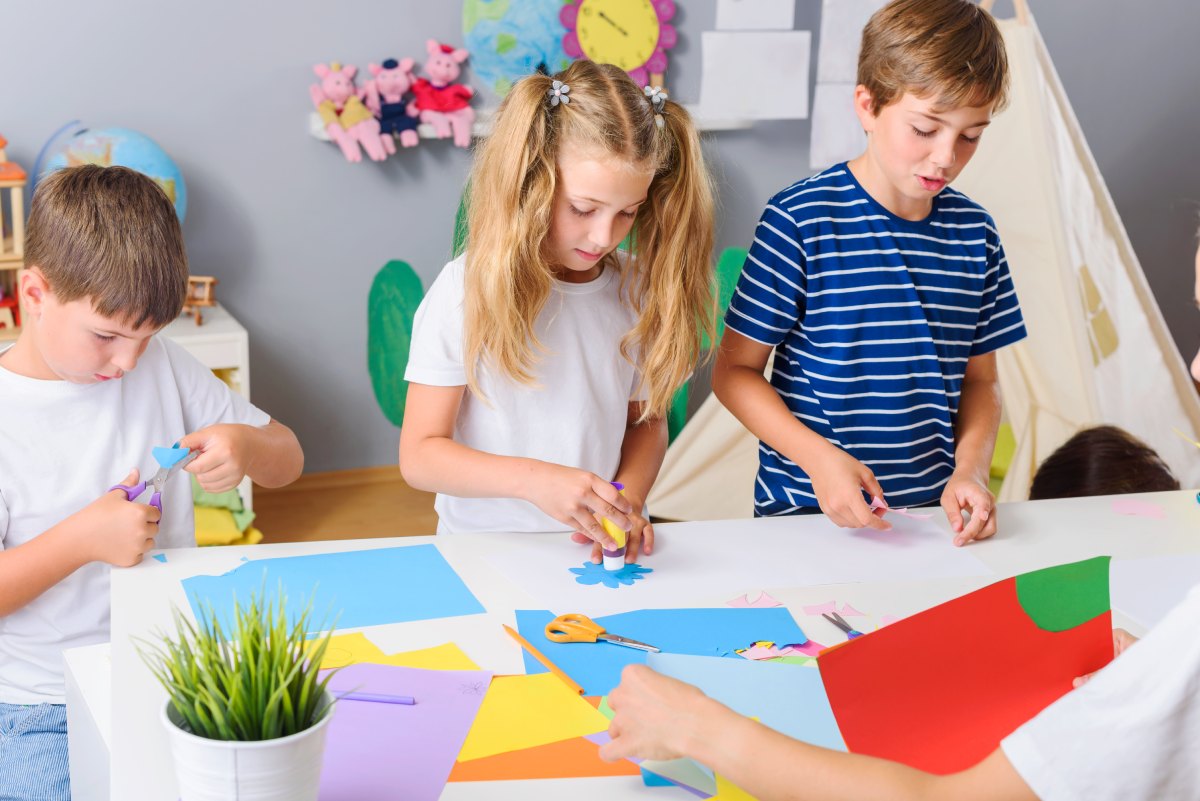
As your children get older, they are exposed to excellent opportunities to pursue a variety of indoor and outdoor hobbies and participate in extracurricular activities along with other kids. For example, they might join a sport at school or spend time honing their creative skills – like working on arts and crafts projects – with their buddies at home. The amount of hobbies for kids is amazing.

These extracurricular activities can keep children engaged both mentally and physically, resulting in several benefits, such as:

  • Developing self-esteem and resilience.
  • Learning social skills like how to communicate with their peers, how to work together, and how to take responsibility.
  • Improving mental health due to friendships built during this time.
  • Create memories that last a lifetime.

It has been observed that children who don’t get to participate in kids’ hobbies could be at a higher risk for developing health issues like obesity, anxiety, depression, and even high blood pressure.

Due to the COVID-19 pandemic, the last two years have been marked by overwhelming isolation for many families. Now more than ever, vulnerable young kids and teenagers need a space where they can engage in a fun hobby or two with their friends and let their creative sparks fly.

How a Creative Hobby or Extracurricular Can Shape Your Children

Around the young age of 5, kids start to develop the discipline required to join in after-school activities. Schools and community organizations offer several opportunities for them to get involved with sports, science-related hobbies, creative activities, and interest groups. Some of the most common activities are:

  • Team and individual sports (soccer, baseball, volleyball, tennis, martial arts, etc.)
  • Academic competitions
  • Student organizations and after-school clubs (student council, photography, foreign language, film, art history, jewelry making, learning survival skills, etc.)
  • Clubs associated with cultural backgrounds
  • Performing arts (musical instrument, dance classes, drama club, etc.)

It’s not uncommon for a child to join multiple groups to cater to their wide range of interests. Regardless of what fun hobbies and activities your child joins in, they can learn many life skills from their participation.

They Become Motivated to Exercise

Not all activities require kids to be physically active, but most of them do in some way. For example, team or individual sports, dance, martial arts, and clubs focused on nature-related hobbies all require a certain level of physical fitness and hand-eye coordination. Studies show that children who exercise regularly are at lower risk for many conditions – obesity, metabolic syndrome, low bone density, high blood pressure, high cholesterol, depression, and more.

Aerobic exercise seems to be the most beneficial, improving children’s sleep quality, mental health, and fine motor skills. Ideally, kids should aim for at least 60 minutes of moderate activity every day.

They Develop Better Social Skills

When children from different backgrounds and families come together to work on something, they not only develop necessary social skills regarding cooperation, leadership, and peer interaction, but they also expand their world views in a fun way. Clubs associated with certain faiths or cultural backgrounds can give your children a community of peers, especially if they have a hard time “fitting in” with most kids.

They Have Higher Self-Confidence

The sheer variety of interesting hobbies and activities available these days can help kids find their passion and learn new skills at a very young age. This leads to a stronger sense of self in children, which improves their self-esteem.

In fact, by showing their commitment to a certain discipline or breadth of wide-ranging interests, an engaging hobby can also help your teen succeed when it comes to college admission or applying for a job.

They Have Better Psychological & Psychosocial Health

When a kid has healthy self-esteem and a sense of belonging, it directly affects their psychological and mental health. One study found that young adults who regularly participated in extracurricular activities showed lower levels of anxiety and depression and higher levels of satisfaction with life.

They Are Better at Building Positive Habits

Take soccer or another sport for example: when your child joins the team, they need to attend practice every day, reach the practice on time, probably wake up earlier for some sessions, work with their teammates to follow a strategy, keep practicing certain moves again and again until the coach decides that’s enough, and so on.

All these tiny actions build up and teach kids the value of persistence, time management, structure, community involvement, and more. They are learning memory skills, motor skills, cognitive skills, communication skills, and a basic understanding of what it takes to succeed at most things in life. These benefits are not only for kids who play on a team either; your kid will develop these habits whether they are learning to play cello or build a robot.

Another benefit of participating in extracurricular activities is that it almost always leads to better academic performance. Research supports the fact that when a student is engaged in sports, organizations, clubs, volunteering, and other great hobby-related pursuits, it pays off in terms of their grades.

The effort put forth in these activities alongside their friends and peers helps kids develop stronger behavior standards and mindsets that are essential for success.

Things to Keep in Mind While Choosing Hobbies for Kids

While deciding whether or not your child should get involved in an activity, please make sure that the environment includes proper safety measures and close supervision. The type of activity you choose should be based on your child’s aptitude and schedule.

For example, don’t schedule them for arts and crafts hobbies or indoor hobbies like a reading club if they are more interested in exploring the world and participating in outdoor activities. Likewise, don’t force them to play a sport when they’d rather be in a club where they can express their creative ideas and let their imagination run wild.

Don’t over-schedule either; it can lead to stress for both you and your children. Remember, creating fun in a holistic way is the idea here.

Finding the right hobby ideas is just as important as participating in them. Never force your child to join something that doesn’t interest them at all because it will ultimately lead to frustration, boredom, and lower self-esteem.

Talk to VNA Health Care Today

Providing every child with the opportunity to experience life-enriching activities outside of home and school is critical to their healthy development. To that end, VNA Health Care provides the following healthcare services to all students, whether they have insurance or not:

  • Physical examinations and immunizations
  • Routine health screenings
  • Acute illness and chronic illness care (sore throats, ear infections, diabetes, asthma, seizures, etc.)
  • Injury care (sprained muscles, broken bones, etc.)
  • Mental health support for stress, anxiety, and depressive disorders
  • Education regarding prevention of alcohol and drug use
  • And much more

Many schools and organizations require a pediatrician or a healthcare provider to sign sports physical forms to ensure the safety and well-being of your child. If you need to schedule a physical or a wellness checkup for your child, we can help. Visit any of the VNA Health Care centers located near you for a same-day checkup.

If you have a busy schedule, you can set up an appointment in the evening or on the weekend as well. Call us at (630) 892-4355 in case of any questions. You can also book an appointment online!

VNA Health Care President & CEO Receives Honorary Degree

“This past weekend, VNA Health Care President and CEO Linnea Windel received an honorary degree from Aurora University (AU) at its Spring 2022 commencement. At the ceremony, AU President Rebecca L. Sherrick presented Linnea with the honorary degree and highlighted the longstanding connection between VNA and AU. VNA has long worked with AU’s School of Nursing to provide nursing students with community health experiences at VNA. Recently, VNA has hosted AU social work students and has provided internships for AU business students. Linnea is a member of the AU Board of Trustees and holds a Master of Science in Nursing from AU.

“As I watched Linnea Windel and VNA lead our community through the pandemic’s early months, I was truly inspired,” said AU President Rebecca L. Sherrick. “They put the welfare of their neighbors first in every way. They dispensed care and counsel. Their response was truly heroic. I am so proud that Linnea earned her advanced degree in nursing at AU and serves as a valued member of our Board of Trustees.”

Comcast Newsmakers Interviews VNA Health Care CEO & President Linnea Windel

Comcast Newsmakers Interviews VNA Health Care CEO & President Linnea Windel

On February 10, 2022, Linnea Windel, President & CEO of VNA Health Care was interviewed by Comcast Newsmaker to discuss VNA’s mission to improve health equity and reduce health disparities with high quality, accessible, and compassionate care delivered in VNA Health Centers, community settings and patient homes. Linnea discussed the vital importance of removing cost barriers to care and how VNA was founded  over 100 years ago in 1918 to do just that.

VNA is now the largest Health Center serving suburban Chicago with 16 locations and over 75,000 patients. Linnea emphasized, “We provide all the comprehensive primary care in clinics as well as Medicare certified home health and hospice and even medical house calls.”

In order to reduce impediments to health care and to get care to the most vulnerable in the surrounding communities, VNA accepts everyone regardless of ability of pay. If individuals are going to pay out of pocket, costs are based on a sliding fee scale based on  income and family size.

At the beginning of the pandemic VNA quickly turned to telemedicine to provide more care. Drive-up testing services were opened at various clinic locations. COVID-19 vaccination services were also provided once the vaccine was made available. Staff have administered over 90,000 vaccines through VNA clinics, community events, and to the homebound.

As a final note, Linnea stated, “All of us contribute to the health of the community. It (Health Care) is very important for us individually as well as keeping our whole community safe and healthy”.

Click to view the complete interview: https://comcastnewsmakers.com/Videos/2022/2/10/VNA-Health-Care

5 Physical Activities for Kids During the Winter (How to Keep Them Active Even If It’s Cold)


It is important for everybody to get some kind of regular physical activity, especially kids. During the summer, it’s easy enough to get kids to do all kinds of physical activity. However, during the winter, it becomes a real challenge. As you look for physical activities for kids during the winter, you should start by looking for things that will interest them. Many parents and kids will be inclined to stay indoors since it’s cold out, and it gets darker earlier, but too much time inside can be detrimental to your overall health. It is essential to get creative during the winter, and we have a few ways you can do just that. 

Go Outdoors

While you may not be a huge fan of the cold, there are fun activities the whole family can enjoy that will not have you freezing your boots off. Just make sure that everyone is dressed warmly, with plenty of layers, scarfs, mittens, and hats. Boots are also a must, as snow and mud can make the roads and sidewalks slippery and dangerous if you are not careful. When you are outdoors, you can do some of the following:

  • Walk or jog
  • Make snowmen, snow angels, snow fort, etc.
  • Try winter sports like skiing or skating
  • Play tag at home or a nearby playground
  • Go sledding

Stay Inside

If it is too cold to go outside, there are still physical activities for kids that you can do indoors. You may need to clear some space in your home, so you do not break anything and so that no one gets injured. Some creative ideas are:

  • Get up and dance
  • Play games like Twister that require you to move
  • Try indoor hopscotch
  • Try an obstacle course 
  • Set a challenge for climbing up the stairs if you have them

Organized Activities

Find organized activities such as a weekly class if you want to ensure that your child is getting regular exercise. This can be a sport like swimming, dance, gymnastics, tennis, or martial arts, or it could be an adventure club or something similar. Not only will this help them stay active, but it may also ignite an interest in a new sport or hobby that they may want to carry with them for a lifetime. They will have the opportunity to make new friends as well, and it also gives parents an opportunity to meet other parents too.

Community Spaces

If you want to get out of the house, but still be indoors, find a community play space in your area to visit. You can check local recreation centers for your older children as well. There are also other indoor physical activities for kids, such as going bowling or indoor roller skating. You can even try an indoor rock-climbing wall or trampoline park. Walking around the mall can be a great way to get moving. Many malls will be decorated for the holiday seasons, and it can be fun to look at while you walk. 

Gaming and Working Out

Video games are popular all year long, and while you may think it is not a physical activity, it can be. Some gaming systems offer options to get you moving, such as virtual reality gaming. This may not be as beneficial as some of our other options, but it will still provide some physical activity for kids. 

Call VNA Health Care Today

Your child’s pediatrician can sign sports physical forms which many schools and organizations require for your child to participate, and they will be able to talk to you about how much physical activity they recommend – usually at least 30 minutes a day for most children.

When you need high-quality, compassionate health care, visit VNA Health Care at one of our convenient locations. We have appointments available for adults and children throughout the day and during the evening and weekends too that can fit into your busy schedule. Contact us online or call us at (630) 593-7974.

VNA is Lowering Barriers to Health Care

State Representatives Anna Moeller and Suzanne Ness Brought Valentine’s Greetings to VNA

VNA was shown a lot of love in Elgin this Valentine’s Day when we received a special visit from State Representative Anna Moeller and her team and staff from Representative Suzanne Ness’s office. Children and other local community members crafted Valentine’s Day cards to show their appreciation for VNA staff as part of the Hearts for Healthcare Heroes initiative.

VNA staff members were so moved to see this outpouring of appreciation for their efforts and enjoyed reading all of the cards. Since the start of the pandemic, VNA staff have worked tirelessly on the front line to serve the most vulnerable in our community and have become a trusted source in the community for care and information throughout the pandemic. Hershey’s kisses were enjoyed by all! Thank you, Elgin!

sweetest valentine

Children Nutrition: 7 Healthy Snacks For Kids To Pack In Their Lunch


When it comes to making sure your kids eat healthily, it can feel like you are constantly fighting an uphill battle. Your role can go from authority figure to negotiator, to absolutely begging them to eat something that’s nutritious. This is a daily challenge most parents are familiar with, and children certainly do not make it easy. 

As they grow, children may need more snacks between meals than we do as adults. Unfortunately, many popular snacks have added sugars, refined sugars, and artificial ingredients. However, you can look at snack time as a chance to provide your children with extra nutrients by finding healthy snacks for kids. It is important to establish good eating habits and to make sure they understand why some snacks are better than others. Here, we have seven healthy snacks that you can pack in your kid’s lunch box for convenience. 

Fruits and Vegetables

Fruits and vegetables are the most obvious choice when it comes to choosing healthy snacks for kids. They are full of good nutrients like fiber, potassium, and vitamins A and C, along with other vitamins and minerals. There are also so many different kinds of fruit out there, so even if your child doesn’t like one, you can offer them something else. Try berries or cut mangoes, pineapples, or cantaloupes. VNA’s wellness program teaches about eating the rainbow. This is a fun way to learn the importance of adding fruits and vegetables of all different colors as they each contain different nutrients that are good for different parts of your body.

Yogurt

One of the best healthy snacks for kids is yogurt. It provides protein and calcium, which can help your children develop healthy bones. The digestive system also benefits from yogurt due to the live bacteria found in it. Go for plain, full-fat yogurt and add a touch of honey or fresh fruit to give it more flavor, and avoid yogurt with added sugar where possible. 

Oatmeal

You may think that oatmeal is strictly for breakfast, but it can actually make a great snack. Oats, in general, are high in fiber which helps your digestive tract, along with other added benefits. Make oatmeal with whole, rolled oats, and even add some cinnamon or other spices for flavor. Apples, bananas, blueberries, and other fruits are also great additions. Making oatmeal with milk instead of water can also take this healthy snack up a notch or can be avoided if your child needs to reduce calories. 

Hard-Boiled Eggs

Eggs are a quick and high-protein snack that is highly nutritious. Eggs can support proper brain development and eye health in kids. They have many different vitamins, such as B12, selenium, and riboflavin. Hard-boiled eggs are quick to make and store well. Keeping hard-boiled eggs in the fridge means a healthy snack choice is available at any time.

Cheese Sticks

Cheese and other dairy products are good sources of protein and calcium and can be a fun snack to add to a child’s lunch box that they will enjoy and will also provide nutritional benefits 

Trail Mix

This healthy snack is great to eat on the go. Caution, trail mix usually contains nuts, which can be dangerous for kids with nut allergies. You might even want to make your trail mix at home with mixed nuts, whole-grain cereal, and dried fruit, as store-bought ones can contain chocolate candies which can be unhealthy. You should also avoid taking trail mix to school if your child is in classes with children who may have a nut allergy.

Popcorn

When you think of popcorn, your mind often goes to getting it at the movies drenched in artificial butter. We think it must always be unhealthy, but it is not the case. Popcorn is a nutritious whole grain when eaten without an excessive amount of toppings. You can air-pop your popcorn and enjoy it plain, or drizzle a small amount of fresh butter and add spices on top. This is the best way to get some added flavor while still staying healthy. Your kids will not even realize they are eating healthy snacks for kids! 

Have Questions? Call VNA Health Care

VNA Health Care is patient-centered Community Health Center. We are here to provide healthcare services for you and your children. Call us at (630) 593-7974 today for more information.

Benefits Assistance and Open Enrollment: How Can VNA Help?

Health insurance has become a hot topic over the last few years, as it has been difficult for some to obtain. Most of the time, your employer provides health insurance when you meet specific requirements. There are options for those who are not offered health insurance through their employers. When the holidays begin, you may get so wrapped up in spending time with family and friends that you forget this is also time for open enrollment

During this open enrollment time period, you will be able to review your benefits and make any changes to your current plan. There are exceptions that allow people to make changes at other times during the year, but for most people, changes are made during open enrollment. This is why you want to select the right plan for you, during this time.

Trending Benefits 

As times have changed, these benefits ad open enrollment periods may look quite different than other years. There are a few popular benefits that people are now looking for in their insurance plans. A key new widespread change is the availability of telehealth visits that allow patients to meet with their doctors virtually, much like FaceTime. Substance use disorder treatment and mental health programs are other areas of interest for those getting insurance. People have begun to put their health first, and insurance plans are expanding benefits to meet this need. 

Tips for Open Enrollment

The open enrollment period for the Marketplace ends on January 15th, unless there is a qualifying life event like a new baby, marriage, or divorce. You can enroll in several different ways. You can do so online, over the phone, by mail, in person, or through an agent. If no changes are needed, then your current plan will automatically renew. 

Plan Options

You can make changes to your benefits, and open enrollment allows you to review your dental, vision, and health plans, as well as life insurance policies. You may also have the chance to contribute to a health savings account or flexible savings account. You should consider what the right amount of coverage is for you and the best way to obtain insurance for the right amount of coverage. Consider any out-of-pocket costs such as premiums, co-pays, deductibles, and prescription coverage. You want to compare both your and your spouse’s plan options to find the best fit for your family. Individuals who may not usually be eligible for insurance become eligible during pregnancy, so this is also an important time to talk with a Benefits Specialist.


Health Savings Account (HSA)

During the open enrollment period, you may want to consider a plan that includes health savings accounts. This account will allow you to save for out-of-pocket expenses before paying taxes and will even roll over unused funds to the following year. Another benefit is being able to decide how much you contribute to the plan. 

Flexible Spending Account (FSA)

Another option to consider during the benefits and open enrollment period is an FSA account. Similar to an HSA, you contribute money periodically to an account. The most significant difference is that you will lose them if you do not use the funds by the end of the year. 

VNA Health Care Can Answer All Your Questions

At VNA Health Care, we accept a range of health insurance plans and provide options for those who have no insurance. Contact us online or call us today at (630) 593-7974 to schedule an appointment.