 (630) 892-4355
Schedule an Appointment
Your VNA provider will order your mammogram – schedule a health exam to get started.
Make an AppointmentFind a VNA Provider
Find a VNA doctor or nurse practitioner to look after your health.
See Doctors & NPs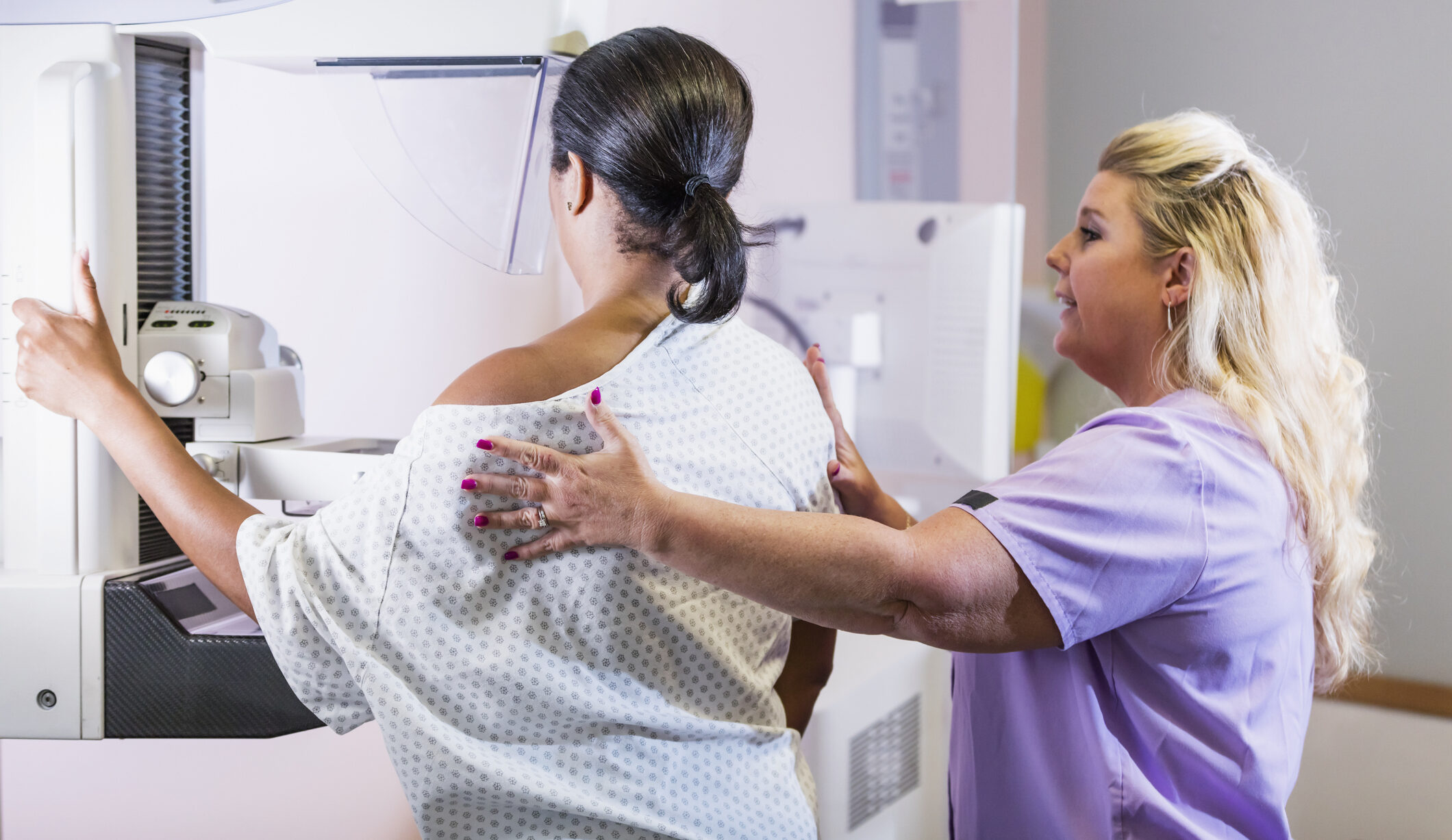
What Is a Mammogram?
A mammogram is an x-ray image of your breast. It is taken using an x-ray machine designed to focus on the breast tissue. The technique of using x-rays on breasts is called mammography.
The main purpose of a mammogram is to check for breast cancers. Mammography is quite reliable at finding early signs of cancer in your breast. Mammograms can boost survival rates up to 98% with early detection.
Mammogram Age Recommendations
Women with average risk for breast cancer should start getting a yearly mammogram at age 40. For women ages 50 to 74, mammograms are recommended every two years. You should start yearly screenings earlier than 40 if you are at higher risk for breast cancer. You are considered high risk if:
- You have a family history of breast cancer
- You have certain genes (like BRCA1 or BRCA2)
- You had breast cancer before
- You did chest radiation therapy in the past
High-risk women may also need additional tests like an MRI along with their mammogram. Talk to your VNA doctor or nurse practitioner about your personal risk and when to start your mammograms if you have any concerns.
How Long Does It Take to Get Mammogram Results?
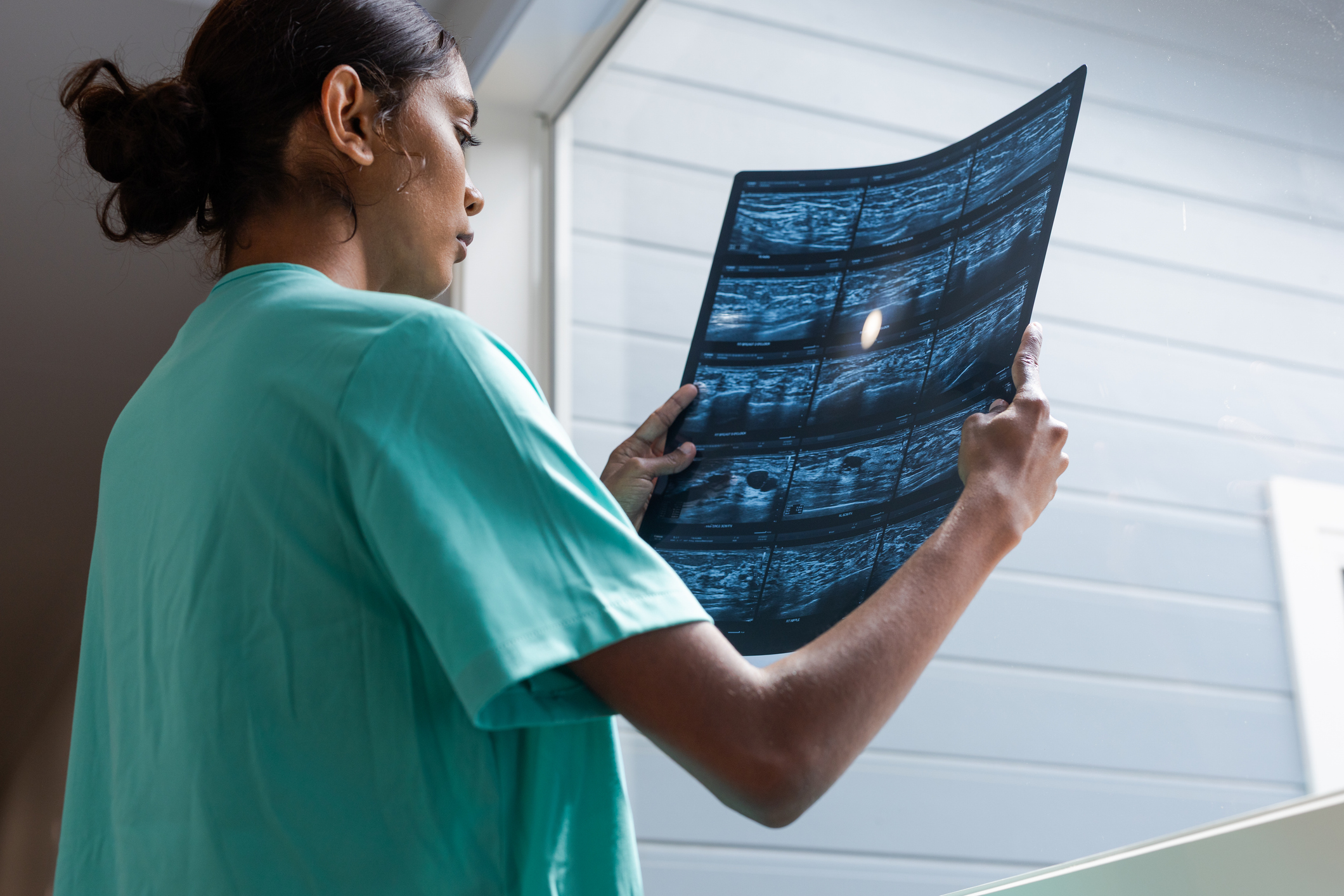
It usually takes about 1 to 2 weeks to get the results of a mammogram. After the exam, a radiologist will review the images and send the results to your doctor. Your doctor will then contact you to discuss the results. If the mammogram shows any areas of concern, your doctor may recommend additional tests or follow-up appointments. For most people, however, the results are normal, and no further action is needed.Types of Mammograms
This section answers some common questions about the procedure, pricing and free mammogram eligibility. You can also explore our mammogram guide for information about what to expect and how to prepare for the procedure.
Many health insurance plans cover screening mammograms. Both Medicare and Medicaid cover annual mammogram costs for women above the age of 40. They both provide one free screening mammogram for women between 35–39. If you don’t have insurance, you might qualify for a free mammogram. VNA receives funding from the Illinois Breast and Cervical Cancer Program (IBCCP) to provide free preventative mammograms to eligible patients in suburban Chicagoland and other outlying areas in Illinois. We do mammograms at our Aurora Highland location.
VNA Health Care provides free screening mammograms under the Illinois Breast and Cervical Cancer Program (IBCCP) to eligible patients in DuPage, Kane, Kendall, Kankakee, and Will counties.
To qualify for a free screening mammogram through the IBCCP, women must:
- Be an Illinois resident
- Have no insurance coverage
- Be between the ages 35 and 64
VNA patients might also be eligible for free or low-cost screening mammograms from state Medicaid even if they are not already enrolled. VNA’s Women’s Health team will help determine your eligibility and will assist with registration if applicable.
Please note that we are only able to offer free screening mammograms for qualifying patients or those in-network. For diagnostic mammograms, co-pays and fees may apply. Call us to get help.
Bilateral means both sides. In the case of a bilateral mammogram, it refers to taking X-rays of both breasts. Regular mammograms are bilateral mammograms. The two terms are used interchangeably by healthcare professionals.
Yes, you can have a mammogram while breastfeeding. However, your breasts may be more sensitive, and the technician may adjust the pressure for comfort. It’s recommended to nurse or pump before the procedure to reduce fullness. Keep in mind that breastfeeding can make breast tissue denser, which may make the results harder to interpret. If you have concerns about doing a mammogram while breastfeeding, talk to your doctor. You may be able to reschedule your appointment until after you stop breastfeeding. In some cases, your doctor might not recommend waiting.
No, you should not wear deodorant, antiperspirant, or lotion on the day of your mammogram. These products can leave residue on your skin, which may show up on the X-ray and make it harder for the radiologist to read the results clearly.
Mild breast pain or tenderness after a mammogram is normal, especially since the breast is compressed during the procedure. The discomfort usually goes away within a few hours to a day. If the pain persists or is severe, it’s a good idea to contact your doctor.