 (630) 892-4355
What Is Opioid Use Disorder?
Opioid use disorder (OUD) is a medical condition. It happens when someone cannot stop using opioids, even when it causes problems in their life. OUD changes how the brain responds to pain and pleasure. This makes it very hard to quit, even when a person wants to stop.
Anyone can develop OUD, regardless of their background or circumstances. But the fear of being judged by family, employers, or even healthcare providers stops many people from reaching out for help. That fear is understandable. But it can cost lives. People who feel ashamed of their condition are less likely to seek treatment. They may wait until things get much worse before asking for help.
If that fear is holding you back, know this: asking for help takes courage, and recovery is possible. Many people with OUD go on to live full, healthy lives with the right treatment and support. At VNA Health Care, you will not be judged. Our team provides compassionate, respectful care to every patient, no matter what they have been through. We are here to help.

What Are Opioid Drugs?
Opioids are a type of drug that doctors use to treat pain very effectively. Treatment with opioids is strictly controlled because there is a risk of addiction. It’s generally safe to take prescription opioids if:
- You have a medical reason to take opioids and a prescription from your doctor
- You are taking the opioid exactly as prescribed (the right dose for the right amount of time)
- You are taking opioids for a very short period (e.g. 3 days or less)
What Causes Opioid Addiction?
Opioids affect the brain’s reward system. When you take an opioid, the brain releases a large amount of dopamine (a chemical that makes you feel good). Over time, the brain gets used to this feeling. It starts to depend on the drug to produce it. With opioids, this can happen very quickly.
There are many reasons why people get addicted to opioids. Addiction is not a personal failure or a lack of willpower. It is a medical condition that changes how the brain works. Anyone can develop an opioid use disorder, no matter who they are.

Prescription Opioids vs Heroin and Counterfeits
There is always a risk when people misuse opioids. But prescription opioids are made under strict safety standards. The dose is known and consistent.
Illegal opioids like heroin and counterfeit pills are different. They are made without any rules or supervision. There is no way to know what is in them or how strong they are. This makes them far more dangerous.

Prescription Opioids
- Fentanyl
- Oxycodone (OxyContin, Percocet)
- Hydrocodone (Vicodin)
- Morphine
- Codeine
- Methadone
- Tramadol
These are prescription drugs. Many people with OUD started by taking them for a real medical reason. Over time, they developed a dependency. When a prescription runs out or becomes harder to get, some people turn to other sources. This can mean getting pills illegally, forging prescriptions, or visiting multiple doctors to get more medication.
Heroin
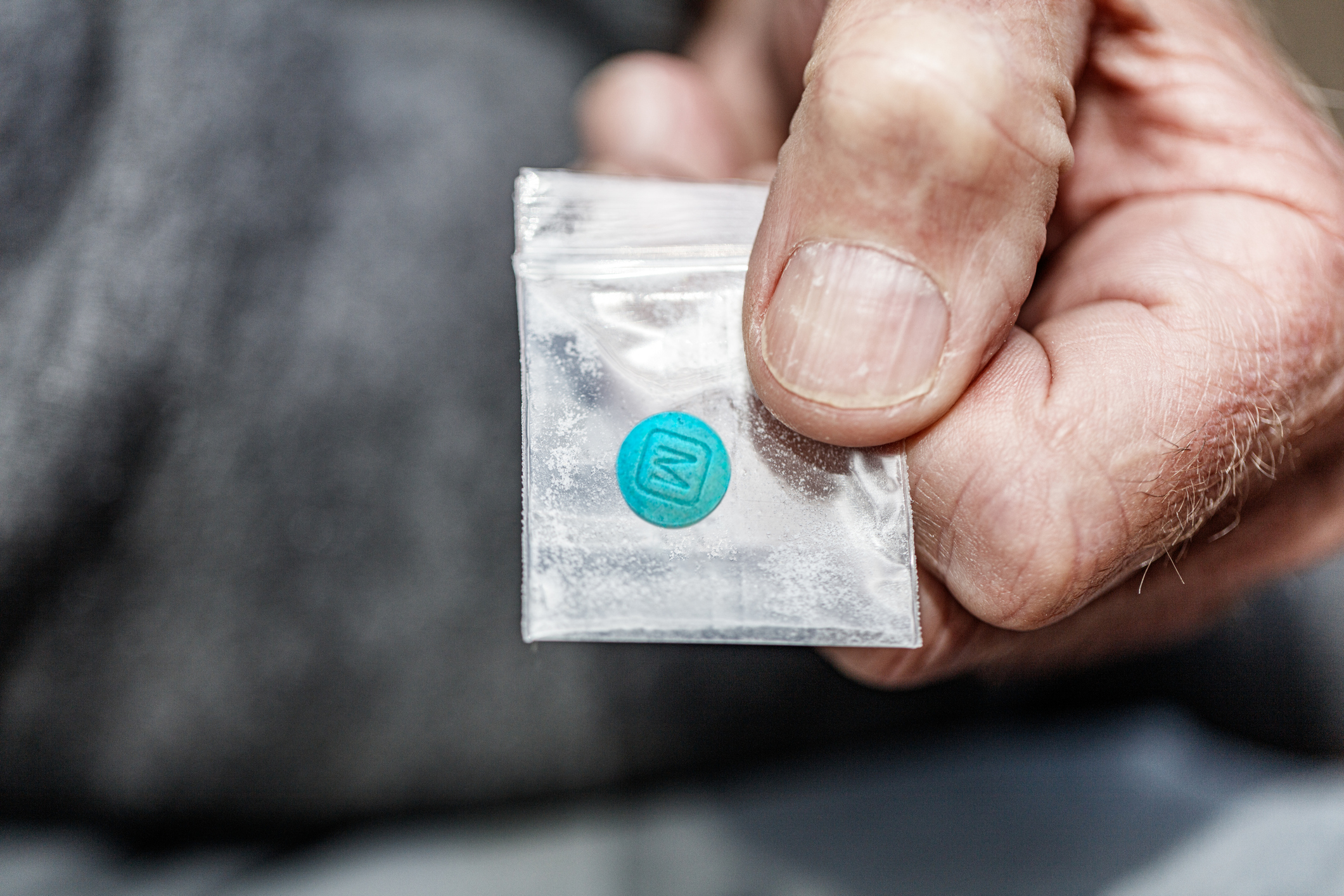
Heroin is an illegal opioid. It is not legal to make, sell, or use. It is made from morphine, but it is much stronger and faster-acting.
Counterfeit Opioids
Because prescription opioids are hard to get, illegal markets have created fake opioid pills that look like the real thing. These pills are very dangerous. They often contain fentanyl or other dangerous substances in unknown amounts. A person taking a fake pill has no way of knowing what is in it or how strong it is. This greatly increases the risk of overdose.
What is MOUD Treatment?
MOUD stands for medications for opioid use disorder. It uses FDA-approved medications to help people recover from opioid addiction. MOUD is the most effective treatment for OUD available today.
MOUD is not just about medication. It also includes counseling and behavioral health support. This helps people understand the causes of their addiction. It also helps them build the skills they need to stay in recovery.
MOUD is a long-term treatment. Some people need medication for months. Others need it for years. This is normal. It does not mean treatment is failing. Like other long-term medical conditions, OUD requires ongoing care.
Difference between MOUD and MAT
You may have heard both MOUD and MAT used to describe this type of treatment. MAT stands for Medication-Assisted Treatment. Health organizations like SAMHSA and NIDA now use MOUD instead. This change highlights that medication is the main part of treatment, not just a support tool.

Illinois Opioid Crisis
The opioid crisis is one of the worst public health emergencies in the United States. It has affected every state and every community.
Illinois has felt this crisis deeply. Overdose deaths surged during and after the COVID-19 pandemic. The numbers have started to decline now. But some groups are still being hit much harder than others.
In Illinois, Black individuals of any age are 3.4 times more likely to die from an opioid overdose than white individuals. This gap grows with age. For Black individuals 65 and older, the risk is 22.2 times higher than for white individuals of the same age.
Males are also more likely to die from an opioid overdose than females in Illinois. Of the 1,838 opioid overdose deaths in Illinois in 2024, 73% were male.

Treatment Options For OUD
There are two main settings for OUD treatment: outpatient and inpatient. The right option depends on your health, your history, and where you are in your recovery.
Outpatient Treatment for OUD
Outpatient treatment means you come in for appointments and go home afterward. You do not stay overnight. This works well for many people with OUD.
VNA Health Care offers outpatient OUD treatment in Aurora. Our program combines FDA-approved medications with counseling and behavioral health support. You can get care while managing your daily life, work, and family. Learn more about our outpatient program.
Our outpatient OUD treatment is available at our Aurora Highland Avenue location. Mental and behavioral health services for OUD are also available at our Aurora Weston Avenue location and through telehealth.
Inpatient Treatment for OUD
Inpatient treatment means you stay at a facility to receive intensive care. You may need inpatient treatment if:
- You are just starting treatment and need medical supervision
- You have relapsed and need more support
- You need help managing withdrawal symptoms safely
VNA Health Care does not offer inpatient detox (medical supervision while opioids leave your system) or residential treatment directly. But we help patients get inpatient treatment if they need it. We can refer you to a trusted program in the community. After finishing an inpatient program, many patients come back to VNA for ongoing outpatient OUD care.
Medication For Opioid Use Disorder
Here are a few FDA-approved medications that treat opioid use disorder. Each one works differently. At VNA Health Care, we offer buprenorphine and naltrexone.
Buprenorphine Treatment for Opioid Addiction
Buprenorphine is a special kind of opioid. It is a “partial opioid agonist”: a medication that partially activates opioid receptors in the brain. It activates the same receptors as other opioids, but only in part. This eases cravings and withdrawal symptoms without producing the intense high of other opioids. It helps stabilize the brain so a person can focus on recovery.
VNA Health Care offers buprenorphine as part of its outpatient MOUD program.
Naltrexone Treatment for Opioid Addiction
Naltrexone is an opioid antagonist (a medication that completely blocks opioid receptors in the brain). When someone uses opioids, the brain releases dopamine (a chemical that makes you feel good). This reward feeling drives addiction. Naltrexone blocks that reward completely. If you use opioids while taking it, you will not feel their effects. Over time, this helps break the cycle of use and reduces cravings.
You must be fully detoxed (free of all opioids in your system) before starting naltrexone. Starting too early can cause severe withdrawal symptoms.
VNA Health Care offers naltrexone as part of its outpatient MOUD program.
Methadone Treatment for Opioid Addiction
Methadone is a full opioid agonist (a medication that fully activates opioid receptors in the brain). It’s a special opioid, like buprenorphine. But it is much stronger. However, methadone works very slowly. It does not produce the sudden, intense high that drives addiction. When you take methadone, it reduces cravings and withdrawal symptoms and blocks the effects of other opioids.
Because methadone is so powerful, it has stricter rules than other OUD medications. It can only be given through a federally certified Opioid Treatment Program (OTP). At the start of treatment, patients must visit the clinic every day to take their dose under staff supervision. In time, stable patients can take their dose home.
Methadone treatment is not available at VNA Health Care.
Iofexidine Treatment For Opioid Withdrawal
Lofexidine was created in Europe to treat high blood pressure. But researchers found it also helps manage opioid withdrawal symptoms. In the United States, the FDA approved it specifically for OUD treatment.
When opioids leave the body, the brain releases a flood of noradrenaline (a chemical that triggers the body’s stress response). This is what causes the sweating, racing heart, muscle aches, and anxiety of withdrawal. Lofexidine blocks that response, calming the body down.
Lofexidine does not treat cravings. It does not prevent relapse on its own. It’s used short-term at the beginning of treatment.
Start Treatment for OUD Today at VNA in Aurora, IL
Recovery is possible. MOUD treatment at VNA Health Care gives you the medical support, medication, and counseling you need to take back control of your life. Our team in Aurora is ready to help you get started.
Schedule An Appointment Today
Frequently Asked Questions About MOUD Treatment
There is no set timeline. Some people are in treatment for months. Others need it for years. This is normal. OUD is a chronic condition (a long-term medical condition that requires ongoing care). Your provider will work with you to find the right length of time for your needs.
Yes. But it is very important to talk to your doctor first. Some MOUD medications are safer than others during pregnancy. Doctors often use buprenorphine to treat OUD during pregnancy. Methadone is also an option. Stopping treatment suddenly can be dangerous for you and your baby.
It depends on the test. Some tests can detect OUD medications like buprenorphine and methadone. If you are being tested for work or legal reasons, tell the testing provider you are on a prescribed OUD medication. A valid prescription protects you.
Alcohol can be dangerous when mixed with methadone or buprenorphine. It can increase the risk of overdose and death. Always talk to your provider about alcohol use before and during treatment.
Many insurance plans cover MOUD treatment, including Medicaid and Medicare. Coverage depends on your plan and medication. VNA Health Care can help you understand your options.
No. Never stop MOUD medication without talking to your doctor first. Stopping suddenly can cause severe withdrawal symptoms and increase the risk of relapse. Your provider will help you taper (gradually reduce) your dose safely when the time is right.
Medication is the most effective treatment for OUD. Some people choose non-medication approaches. At VNA Health Care, our program focuses on FDA-approved medications combined with mental and behavioral health support.